Hey guys! Welcome back to the blog! It is so good to see you. If you’re new here, I’m a college senior from the States currently soaking up every bit of life in beautiful Seoul. My husband (yes, still getting used to saying that—newlywed life is the best!) is a total tech enthusiast, and living in the heart of the “Silicon Peninsula” for over 20 years, he’s taught me that in this city, semiconductors aren’t just parts of a computer—they’re the lifeblood of the economy.
Lately, everyone from the “Ant” (개미) investors in Yeouido to my friends back home has been asking the same thing: Is AMD stock still the play? With the AI revolution in full swing, let’s dive into why Lisa Su’s powerhouse is making waves from Wall Street to Seoul.
The State of AMD Stock in 2026: The AI Battleground
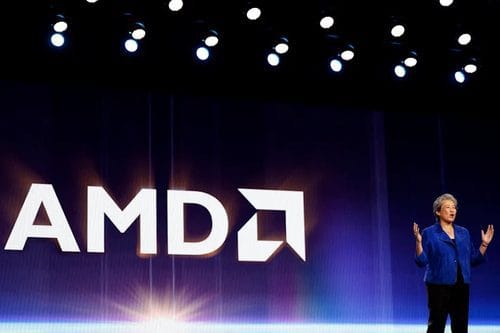
The AMD stock conversation has completely shifted over the last couple of years. We used to talk about them just as a “cheaper alternative” to Intel for gaming CPUs. But today? It’s all about the MI300 and MI400 series AI accelerators.
As of early 2026, AMD has solidified its position as the primary challenger to NVIDIA’s dominance. While NVIDIA holds the lion’s share of the data center market, AMD’s open-source approach with the ROCm software platform has gained massive traction among developers who are tired of being locked into proprietary ecosystems.
Why the “Underdog” is Winning
- Supply Chain Diversity: Big tech giants like Microsoft and Meta are hungry for alternatives to keep costs down.
- Price-to-Performance: AMD consistently offers a better value proposition for enterprise-level AI training.
- Ryzen Dominance: On the consumer side, the Ryzen processors continue to outperform competitors in power efficiency—a huge deal as energy costs rise globally.

The Seoul Connection: Why Korean Investors are Nervous
Living here in Seoul, you realize how interconnected our world is. South Korea’s stock market (the KOSPI) is heavily weighted toward semiconductor giants like Samsung Electronics and SK Hynix.
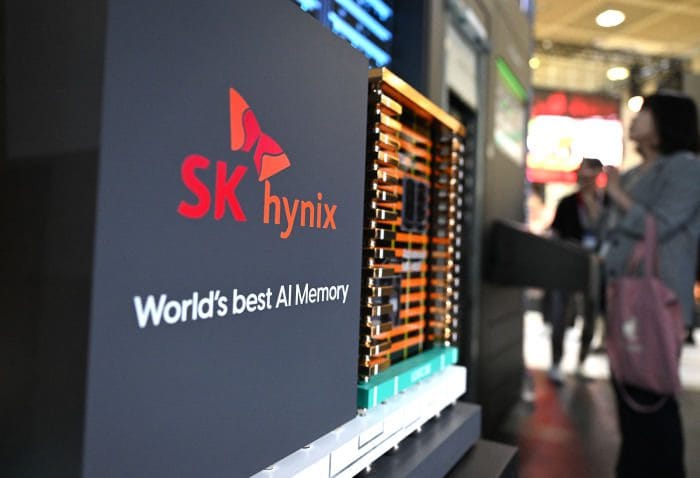
Recently, we’ve seen a massive surge in local semiconductor prices. SK Hynix, in particular, has been flying high because they supply the High Bandwidth Memory (HBM) chips that power AI GPUs. However, there’s a phrase my husband’s family uses a lot: “When Wall Street sneezes, Yeouido catches a cold.”
The “Coupling” Effect
There is a strong correlation between AMD stock performance and the Korean market. When US tech stocks take a dip—especially over concerns about AI overvaluation or interest rate hikes—the “Ant” investors (our hardworking retail investors) feel the pain immediately.
Insider Insight: Many Korean investors have pivoted away from local stocks to “Seohak Gaemi” (Western Ants), investing directly in US tech. If AMD or NVIDIA drops by 3% in New York, you can bet that the morning news in Seoul will be filled with anxiety about the KOSPI opening.
Risk Factors: Is the AI Bubble Losing Steam?
While the growth has been explosive, it’s not all sunshine and rainbows. Here are the things keeping investors up at night in 2026:
- Export Restrictions: Ongoing trade tensions between the US and China continue to complicate where AMD can sell its high-end chips.
- Inventory Cycles: There’s always the fear that the “AI gold rush” might lead to an oversupply of hardware if software applications don’t start generating enough ROI.
- The “Ant” Panic: In Korea, retail investors tend to be very reactive. If AMD stock shows volatility, a mass sell-off in Korea can often trigger a feedback loop that affects global sentiment.
Practical Info for the Global Investor
If you’re looking to trade or follow the market while visiting Seoul (or living here!), here are a few things to keep in mind:
| Feature | Detail |
| Market Hours (KST) | 11:30 PM – 6:00 AM (Next Day) |
| Top K-Semis | Samsung Electronics (005930), SK Hynix (000660) |
| Popular Apps | Toss Securities, Kiwoom HeroS |
| Current Trend | HBM3E and HBM4 Development |
Final Thoughts: Should You Hold AMD?
As a native Seoulite and a tech-loving American, I see the best of both worlds. AMD isn’t just a chip company; it’s a barometer for the future of computing. While the volatility can be scary—especially when you see the red numbers on the Korean exchange—the long-term fundamentals of AMD stock remain incredibly strong due to the sheer demand for compute power.
My advice? Don’t let the daily “cold” in the market distract you from the long-term vision. Whether you’re an Ant in Seoul or a student in Cali, diversification is your best friend!