
Hi everyone! It’s your favorite Seoul insider and newlywed back with some tea! 🍵 Living in this bustling city for over 20 years, I’ve seen Gwanghwamun Square transform for everything from World Cup cheers to candlelight vigils. But the recent BTS Gwanghwamun performance has the city—and my dinner table—divided.
As a Seoulite who deals with the daily commute and a fan of high-quality art, I have some thoughts. While the world watched on Netflix, we locals were stuck in traffic. Let’s dive into why this performance is sparking such a heated “pro-complainer” vs. “cultural pride” debate in Korea right now.
1. The “Inconvenience Fee”: Why Seoulites are Grumpy
If you’ve ever tried to cross Jongno during a marathon, you know the struggle. Recently, our local community apps have been blowing up with complaints. The sentiment? “BTS makes the billions, so why does my family have to suffer through road closures?”
It’s a classic modern Korean dilemma. We want the prestige of “K-Culture,” but the actual, physical inconvenience of a blocked-off Gwanghwamun feels very personal and very annoying.
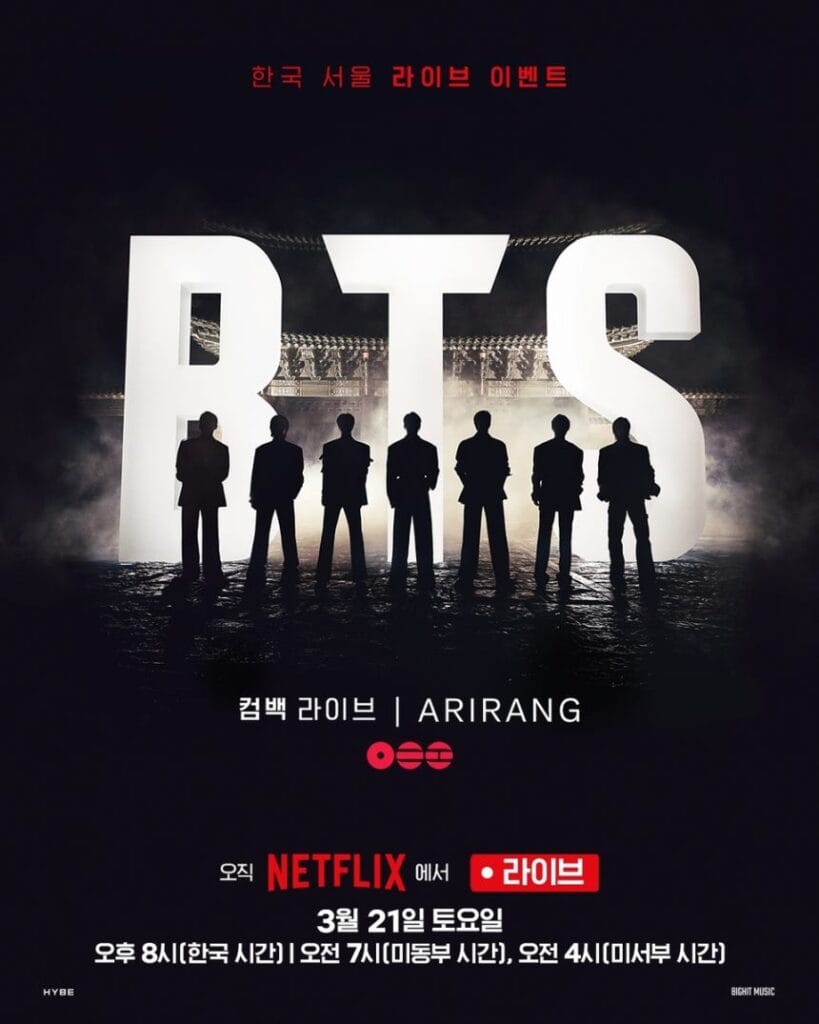
Why Gwanghwamun Matters
However, as a local, I see it differently. Gwanghwamun isn’t just a road; it’s our social capital.
- Connection: Just like the 2002 World Cup, these events link us to the world server.
- Hospitality: When we give up our space for a moment, we are hosting millions of fans who woke up at 4:00 AM in Mexico or Canada just to see our city.
- Cultural Power: This is the “Cultural Powerhouse” Kim Gu dreamed of 100 years ago. It’s about more than money; it’s about being the center of a global conversation.
2. The Netflix Paradox: Public Space vs. Private Profit
One of the biggest stings for locals was the Netflix exclusivity. People are asking: “If you’re going to use Gwanghwamun—a public, historical landmark—why is the footage locked behind a paid subscription?”
Usually, massive national events are broadcast on public channels like KBS. By making it a Netflix original, it felt less like a gift to the citizens and more like a high-budget commercial. For those of us who lived through the noise and the traffic, not being able to flip on the TV and see why our streets were closed felt a bit exclusionary.

3. A Critical Look: Was the Show Actually Good?
Okay, let’s get real. BTS are icons, and their live vocals (shoutout to the vocal line!) were surprisingly solid. But as a professional-turned-blogger, I have to be honest: the production felt… messy.
- The RM Situation: Our leader RM was injured, but seeing him sit awkwardly on the side while the others did the choreography felt poorly planned. Why not adapt the staging?
- Missed “K-Vibe”: We are at Gwanghwamun! Look at Bad Bunny’s Coachella or the Super Bowl—they scream identity. This felt like a generic pop stage that could have been in LA.
- Camera Work: For a Netflix production, the angles were giving me “1990s music show” vibes. It didn’t capture the grandeur of the palace behind them.
The Setlist Struggle
With such a deep discography, the song choices felt a bit safe. For an event that caused so much public disruption, we expected a setlist that felt like a “festival for everyone,” not just a promotional run for the new tracks.
4. The “Swim” Controversy: Is the Music Getting Too Simple?
Let’s talk about the new track, “Swim.” While the official press release calls it an “upbeat alternative pop track with lofi synths,” some critics (and my very honest husband) think it’s a bit… basic.
| Element | Critique |
| Chord Progression | Similar to basic 70s/80s folk songs (C, Dm, Am, G). |
| Production | Felt like a “manual” order rather than a unique artistic statement. |
| Accessibility | It’s easy to listen to, which is great for the charts, but is it “art”? |
Some say K-pop is becoming a “refined version of instant coffee.” It tastes good, it’s trendy, but it’s losing the complexity that made early BTS so revolutionary. Is it “gaslighting” by platform capitalism, or just catchy pop? You decide!

5. My Local Verdict: Where Do We Go From Here?
As a newlywed trying to build a life in this fast-paced city, I see both sides. I want my city to be a global star, but I also want to get home to my husband without a two-hour detour.
We shouldn’t just argue with the “pro-complainers.” Instead, we need to figure out how to structure these massive cultural moments so they feel like a shared victory, not a private corporate takeover of public land.
What do you think? Was the Gwanghwamun stage a proud moment for Korea, or should K-pop stick to the stadiums?