Korea offers a vibrant adventure with its street food, beaches, and natural wonders. Beyond K-culture and cuisine, it has rich customs and social norms. This guide helps travelers navigate Korean etiquette to avoid cultural faux pas and enhance their travel Korea experience.
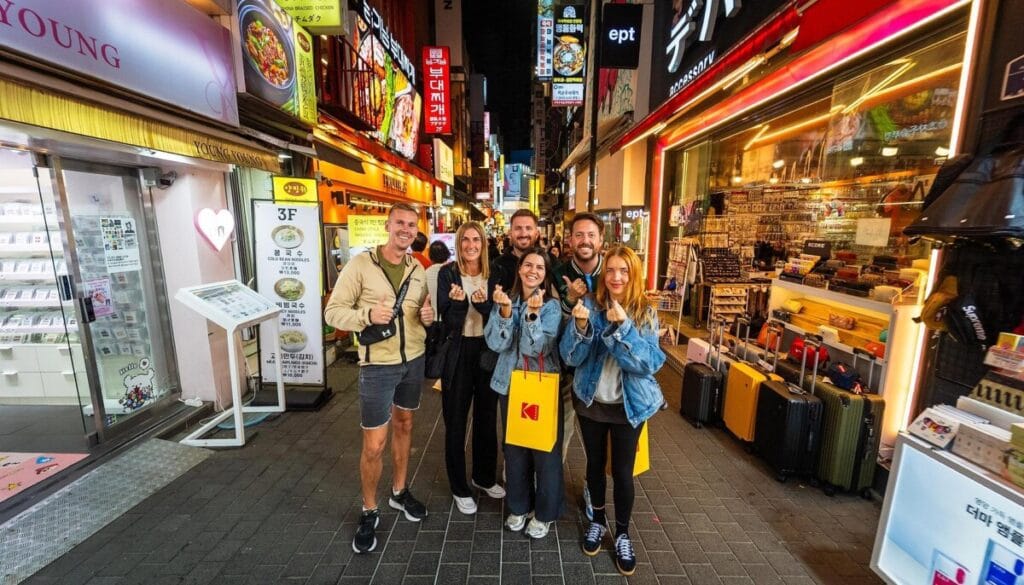
Navigating Public Spaces: Keep It Respectful
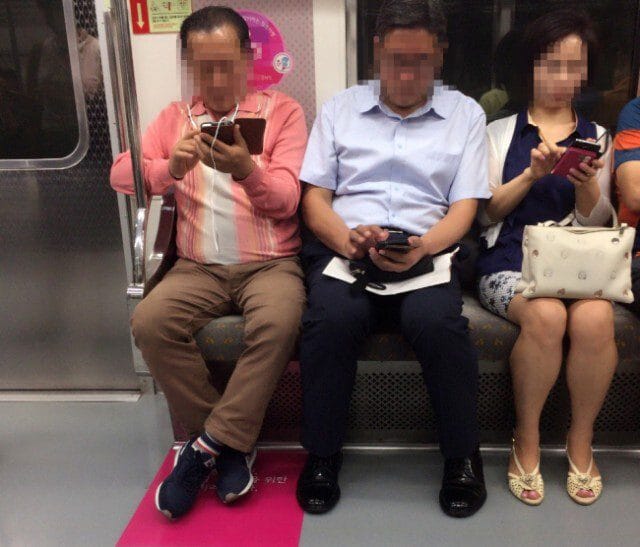
- The Sacred Seats: Priority Seating on Public TransportDesignated priority seats (for seniors, pregnant women, people with disabilities) are strictly reserved, even if the transport is crowded.Pro Tip: Always check seat markings. Stand if you don’t belong to the designated group.Noise Control: Loud conversations or phone calls on public transport are frowned upon; keep noise levels hushed.
Dining Like a Local: Table Manners That Matter
- Chopstick Etiquette: Never Stick Chopsticks Upright in RiceThis gesture resembles offerings to the deceased and is highly offensive.The Right Way: Rest chopsticks horizontally across the bowl or on a chopstick rest.
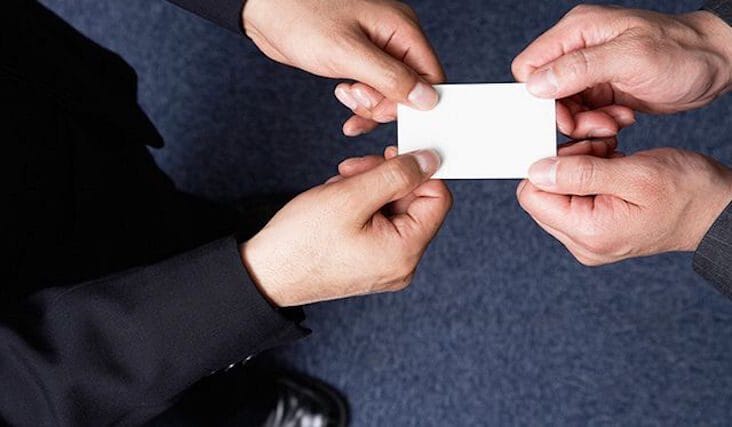
- Handing Items: Always Use Two Hands for RespectWhen giving or receiving anything, especially from elders or those in authority, use both hands to show respect and deference. One-handed exchanges can be seen as casual or rude.When in Doubt: Always use two hands for money, cards, or gifts.
- Mealtime Manners: No Nose Blowing at the TableBlowing your nose at the dining table is considered unhygienic and impolite. Excuse yourself and step away from the table.Loud eating or boisterous conversations in quiet restaurants are generally discouraged.The Vibe: Koreans often prefer a calm and collected dining environment.
Social Interactions: Mastering Korean Greetings and Language
- Speaking Up: Skip the Informal Language (Banmal)Korea has a hierarchy based on age and social status reflected in language. Using informal speech (banmal) with strangers or elders is a significant cultural misstep.Always default to polite, formal speech (jondaetmal) until explicitly invited to speak casually.Golden Rule: When unsure, always err on the side of formality.
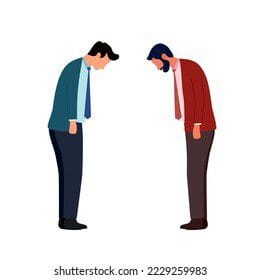
- Greeting Styles: Bow, Don’t Bear HugKorean greetings are typically reserved. A polite bow (ranging from a head nod to a 90-degree bow) is standard.Initiating a hug or cheek kiss with someone unknown may lead to an awkward reaction.First Impressions: A polite bow shows respect.
Financial and Personal Space: Essential Cultural Nuances
- Tipping Culture: No Tips, Please!Korea does not have a tipping culture. Attempting to leave a tip in restaurants, taxis, or hotels can confuse staff and may be seen as impolite or an attempt to show off.Service charges are usually included, or the price is final.Keep Your Wallet Shut: Simply pay the advertised price.
- Gift Giving: Never Arrive Empty-HandedIf invited to a Korean home, bringing a small gift (e.g., tissues, fruit, dessert) is customary and shows appreciation.Thoughtful Gestures: Even a small token is sufficient.
Unique Customs and Legalities: Know Before You Go
- The Red Pen Rule: A Name in Red is Bad NewsWriting someone’s name in red ink is strongly associated with death in Korea, traditionally used only for the deceased. Using it for a living person can be seen as wishing them ill fortune.Ink Wisely: Opt for blue or black ink for names.
- Waste Management: Mastering Korea’s Strict Recycling LawsKorea has an efficient and strict waste separation system. Mixing general waste, recyclables, and food waste is not only frowned upon but can lead to fines.Familiarize yourself with local rules for each waste category.Stay Green: Look for clear signage in accommodation or public areas.

Understanding these key Korea etiquette points enhances travel by showing appreciation for the country and its people. Embracing these customs leads to deeper connections and a richer, more authentic South Korean experience.
Beyond the Guidebook: Live Your Best Korea Trip!
Every cultural interaction is a learning opportunity. By keeping these tips in mind, travelers can avoid mistakes, foster deeper connections, and have a richer, more authentic Korean experience.