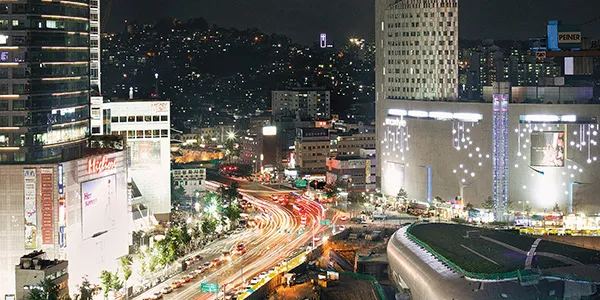
Hello! It’s great to meet you. As a local living in the heart of Seoul, I’m excited to help you craft content that truly resonates with global readers who are curious about the “real” Korea. Today, I am writing about Korea 10 year challenge right now.
Why People are Posting Their 2016 Photos Right Now: The Psychology of “Leeds”(리즈시절)
If you’ve been scrolling through Instagram or TikTok lately with an eye on Korea, you’ve likely noticed a flood of nostalgic photos. From K-pop idols to your Seoulite friends, everyone seems to be sharing shots from exactly ten years ago—2016. Let’s call it “Korea 10 year challenge”
In Korea, we often refer to this as one’s “Leeds Era” (리즈시절). This slang term, derived from a British football reference, describes the absolute peak of someone’s life, usually in terms of looks, energy, or success. But why is this “10-year challenge” hitting so hard in 2026? As a local seeing this daily, let’s peel back the layers of the Korean psyche.
1. The “Golden Age” of K-Culture Nostalgia
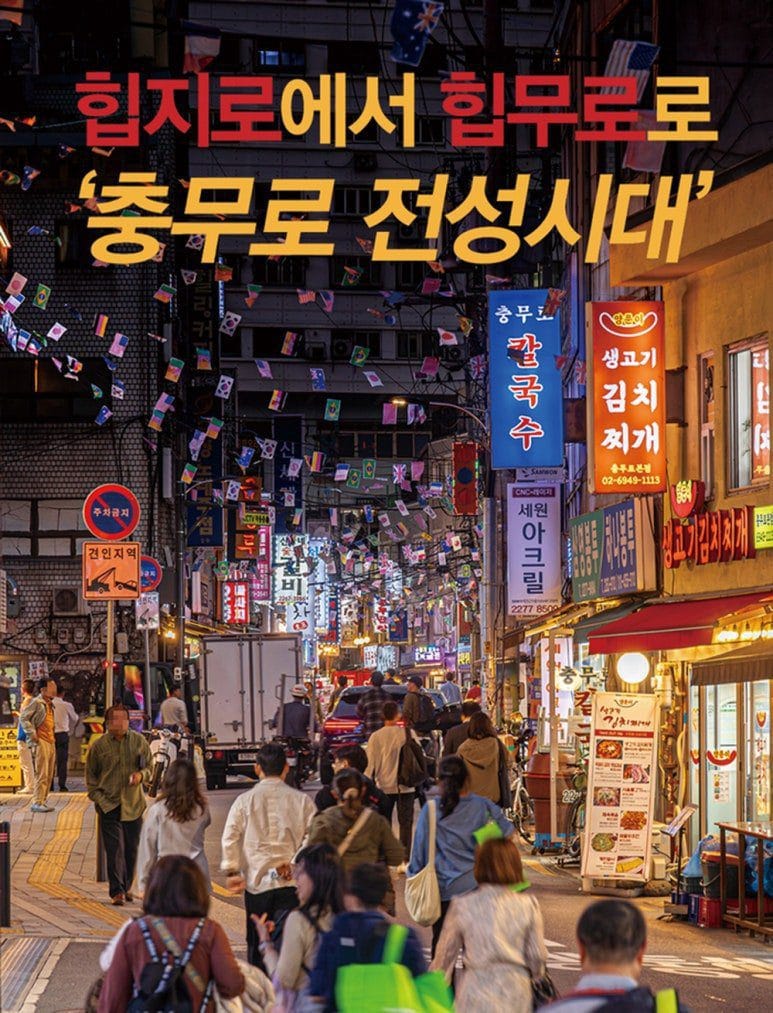
For many Koreans, 2016 represents a pivotal moment before the world shifted. It was the year of Guardian: The Lonely and Great God (Goblin), the rise of BTS to global stardom, and a time when Seoul’s “Hip-ji-ro” (Euljiro) and Seongsu-dong were just beginning to transform into the trendy spots they are today.
By posting 2016 photos, Koreans aren’t just showing off their younger selves; they are reconnecting with a version of Korea that felt vibrant and full of “firsts.” Psychologically, this is known as Declinism—the belief that a society or institution is tending towards decline. Amidst the high-pressure, fast-paced life of 2026 Seoul, looking back at 2016 provides a “safety blanket” of perceived simpler times.
2. The Psychology of “Leeds(리즈시절)” and Self-Presentation

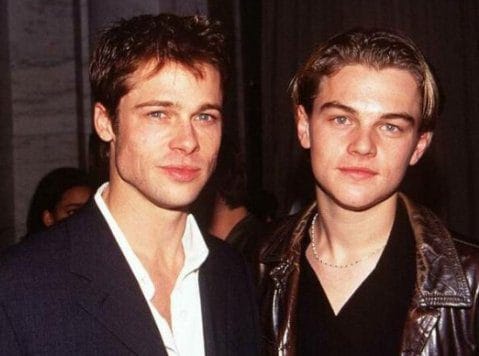
Korea is a society that values Chem-myeon (saving face) and public image. The “Leeds Era” trend allows individuals to subtly brag about their past glow-up (or natural beauty) under the guise of a “challenge.”
Psychologically, this acts as Self-Affirmation. By curating their best 2016 moments, Koreans reinforce their self-worth. It’s a way of saying, “I have always been this person,” even if the daily grind of 2026 feels exhausting. It’s about maintaining a consistent narrative of “beauty” and “coolness” in a digital landscape that demands perfection.
3. “Jeong(情)” and Collective Memory
Koreans have a unique sense of “Jeong” (attachment/social bond). When a trend like this goes viral, it’s rarely about the individual; it’s about participating in a collective movement. Sharing a 2016 photo is a social signal that says, “I was there, too.” Whether it was hanging out at a specific cafe in Hongdae that’s now gone or wearing the fashion of that era, it creates a sense of belonging that is deeply rooted in Korean social dynamics.
4. The “Newtro” Effect
The obsession with the past isn’t just nostalgia; it’s “Newtro” (New + Retro). In 2026, the 2016 aesthetic—the early days of high-spec smartphone photography and the specific “filter” look of that time—has become “cool” again. For the younger Gen Z in Seoul, seeing their older siblings’ 2016 photos is like looking at a vintage film.
Direct Experience: My Own 2016 vs. 2026
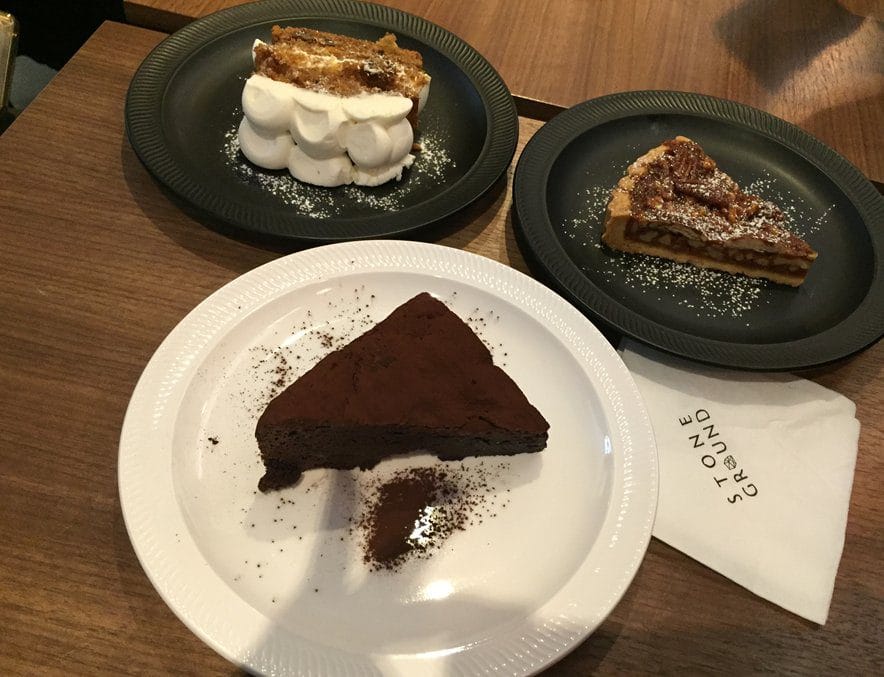
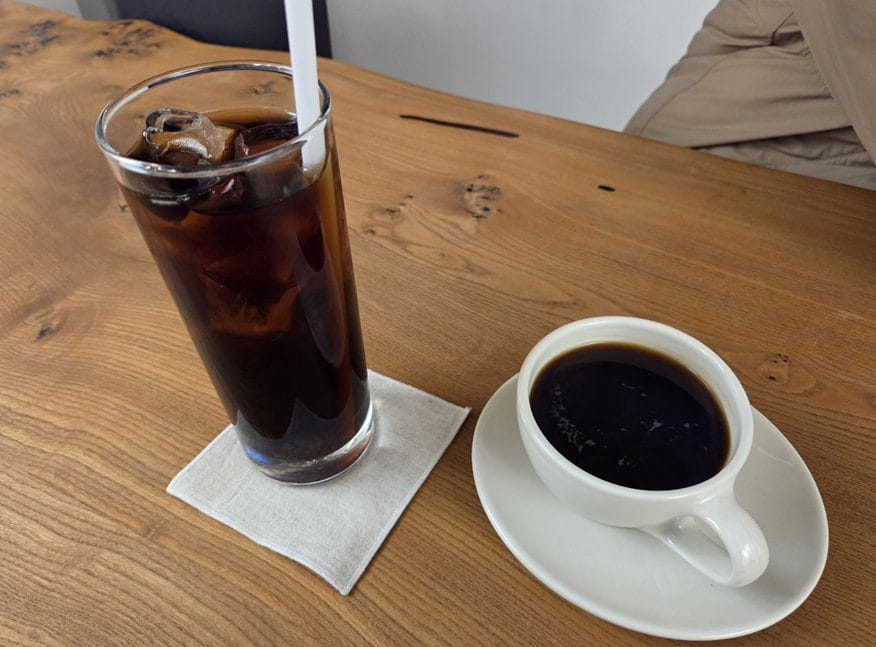
Looking back at my own gallery from 2016, I found photos of me at a tiny, nameless coffee shop in Hannam-dong. Back then, it was just a quiet residential area. Now, it’s a global tourist landmark. Lately I often visit Seongbuk-dong which is a calm and quiet area for locals.(It might be a hip place in 2036, I guess). Seeing my 2016 “Leeds” self reminds me of how much I—and this city—have grown. It’s bittersweet, but it’s a vital part of the Seoul experience.
Final Thoughts:
If you’re visiting Seoul in 2026, don’t just look at what’s new. Look for the traces of 2016. Visit the spots that have stood the test of time, and maybe take a photo for your own “Korea 10 year challenge” in 2036.