Okay, friends—stop scrolling for a second. As someone who has lived in Seoul for over 20 years, I am constantly asked the hard questions by my friends visiting from abroad. You know the ones: “Why do you call your husband ‘Oppa’ if you aren’t related?” or “Why are we sitting on the floor at this restaurant?”
Usually, I have to spend 20 minutes explaining the deep cultural nuance of Jeong (attachment) or why Ramyeon is definitely not just “instant noodles.”
But guess what? The National Folk Museum of Korea just released the ultimate cheat sheet: the Encyclopedia of Hallyu.
Released officially on February 2, 2026, this isn’t just a boring textbook. It is a vibrant, photo-packed guide to everything K-Culture, and it is going to be your new best friend. Whether you are a die-hard ARMY, a K-Drama binge-watcher, or just planning your first trip to my beautiful city, here is why you need to download this right now.
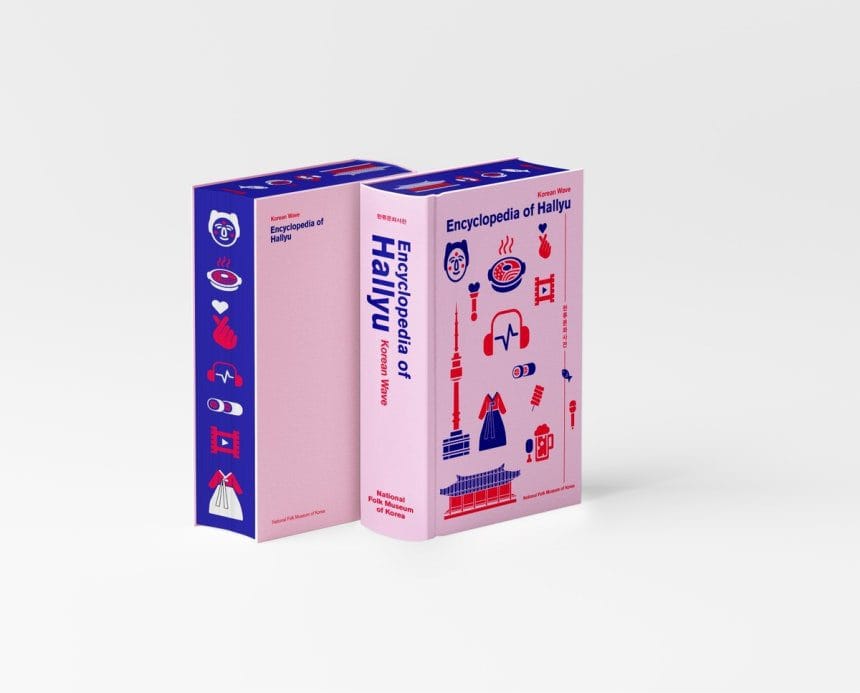
What is the Encyclopedia of Hallyu?
Think of this as the “Google Translate” for cultural context. The National Folk Museum (one of my favorite spots in Gyeongbokgung Palace, by the way) realized that while the world loves K-Pop, they might not understand the deep roots behind it.
So, they gathered 129 experts—both from Korea and English-speaking countries—to create the first-ever comprehensive dictionary dedicated to the Korean Wave.
Here are the stats that matter:
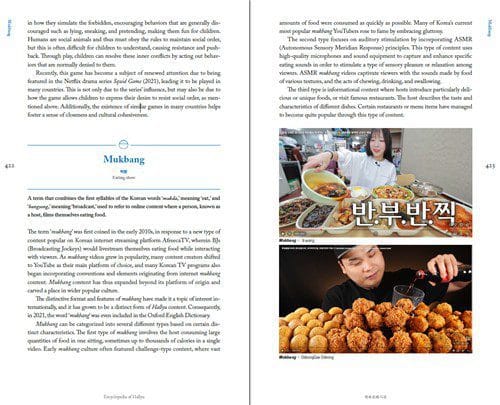
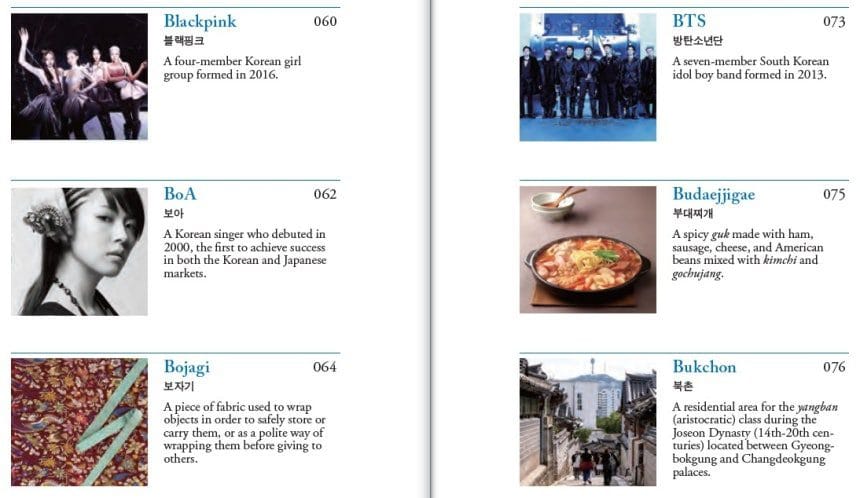
- 347 Key Entries: Covering everything from BTS to traditional housing.
- 600+ Photos: Because you need to see the fashion, not just read about it.
- 100% Verified: No more questionable Reddit theories. This is the official deal.
Decoding the “Untranslatable”
This is the part that got me the most excited. You know how some words just lose their soul when you translate them directly? The Encyclopedia of Hallyu fixes that.
The “Oppa” Dilemma
As a newlywed, I use the word “Oppa” (older brother/male friend/husband) daily. But to a foreigner, it can be confusing. This dictionary breaks down the cultural context of terms like Oppa, Unnie, and Uri (us/our). It explains why we use these family terms for people we aren’t related to—it’s all about that community bond!
Foodie Facts: Gimbap vs. Sushi
Thank goodness for this one. The dictionary deliberately uses Romanized Korean names based on pronunciation. It’s not “Korean Sushi”—it’s Gimbap. It’s not “Spicy Rice Cake”—it’s Tteokbokki. And it is definitely Ramyeon, not Ramen. It empowers you to order like a local.
Bridging Tradition and Trends
Living in Seoul means seeing the old and new collide every day. The encyclopedia does an amazing job of connecting these dots. It doesn’t just list “cool stuff”; it explains the history behind it.
From Goblins to Gong Yoo
Remember the hit drama Goblin (Guardian: The Lonely and Great God)? The dictionary explains the traditional folklore of the Dokkaebi (Korean goblin) and how it evolved into the romantic figure we see on screen. It also covers the Kkachihorangi (Magpie and Tiger), a staple in Korean folk art that you’ll see everywhere in souvenir shops in Insadong.
The Art of the “Lightstick”
If you have ever been to a K-Pop concert here, you know the Eungwonbong (Cheering Stick/Lightstick) is sacred. The encyclopedia breaks down the history of Korean fandom culture and why waving that glowing wand is a symbol of identity and belonging.
“Jwasik”: Why We Sit on the Floor
One entry I found super helpful for travelers is Jwasik (floor-sitting culture). It explains the history of Ondol (underfloor heating) and why taking off your shoes and sitting on the floor is so deeply uncomfortable for some, but cozy for us! It turns a “cultural shock” moment into a “cultural appreciation” moment.
How to Get Your Copy (For Free!)
The best part? You don’t need to fly to Seoul to get it (though you should totally come visit me!).
The National Folk Museum has made the Encyclopedia of Hallyu accessible to everyone.
- Online: You can view it and search entries on the Encyclopedia of Korean Folk Culture website.
- Download: The full PDF is available on the museum’s official homepage (nfm.go.kr).
- In-Person: If you are in Seoul, stop by the museum shop to grab a physical copy. It makes for a much better souvenir than a generic keychain.
Final Thoughts from a Local
I honestly think this is a game-changer. It goes beyond the surface level of “K-Style” and digs into the soul of Korea. It invites you to understand the “why” behind the “what.”
So, go check it out, and the next time you’re watching Squid Game or eating Buldak-bokkeum-myeon, you’ll know exactly what’s going on.