Did you guys catch the Grammys? Because, wow.
Here in Seoul, the ceremony airs bright and early in the morning. So, there I was, sitting with my husband (still getting used to saying that!), toast in one hand, coffee in the other, absolutely screaming at the TV.
For years, we’ve watched K-Pop knock politely on the door of the global music industry. But looking at the results of the 2026 Grammy Awards, it feels like K-Pop didn’t just knock—it kicked the door down, walked in, and sat at the head of the table.
We aren’t just talking about a single nomination anymore. We are talking about major wins, General Field nominations, and a complete shift in how the world defines “Pop.”
Let’s break down exactly what happened, how we got here, and why your playlist is never going to be the same.

The Historic Wins of 2026
If you’ve been following the scene, you know that BTS paved the way with their nominations for “Best Pop Duo/Group Performance” from 2021 to 2023. But 2026? It was a harvest.
The “K-Pop Demon Hunters” Phenomenon
First off, can we talk about K-Pop Demon Hunters (or Ke-De-Hun as we call it here)? The show’s theme song, “Golden,” officially took home the Grammy for Best Song Written for Visual Media.
But it didn’t stop there. “Golden,” along with the absolute earworm “APT.” by Rosé and Bruno Mars, and the global girl group KATSEYE, were nominated in the General Field—the “Big Four” categories like Record of the Year, Song of the Year, and Best New Artist.
This is the moment critics are calling the “status change.” K-Pop isn’t a niche genre anymore; it is the mainstream.

How Did We Get Here? (A Quick History Lesson)
Living in Seoul for over 20 years, I’ve watched this evolution with my own eyes. It didn’t happen overnight. Experts analyze it in “Generations,” and the strategy has been brilliant.
Gen 2: The “Foreign Member” Experiment (Mid-2000s)
Remember Super Junior, 2PM, and 2NE1? This was when agencies like SM, JYP, and YG started adding foreign members to groups to appeal to local markets in China, Japan, and Thailand. It was the first step toward localization.
Gen 3: The Social Media Boom (BTS Era)
Then came the titans. BTS changed the game by communicating directly with fans via social media and eventually releasing full English tracks like “Dynamite.” They proved you didn’t need traditional US media gatekeepers if you had an ARMY behind you.
Gen 4: Born Global
Now, we have groups like Stray Kids and aespa. They don’t wait to “make it” in Korea before going abroad. They debut globally from Day 1, dropping tracks worldwide simultaneously and hitting the interview circuit in LA and New York immediately.
The “Netflix Effect” & Changed Media Landscape
Honest confession: My husband and I binge-watched the Netflix animation K-Pop Demon Hunters in a single weekend. And we weren’t alone.
The media landscape has shifted drastically. Back in the day, you needed to get on MTV or radio. Now? YouTube and OTT platforms hold the power.
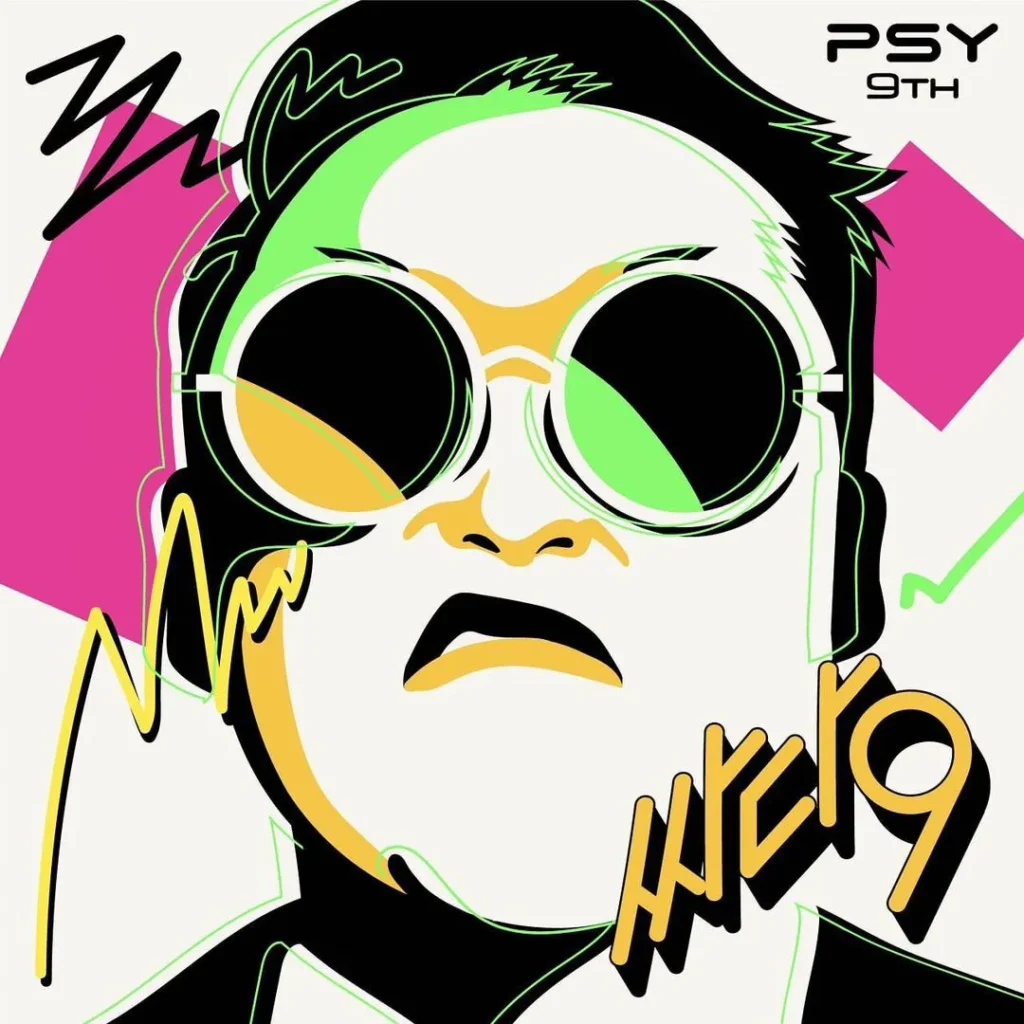
- Psy (2012): Broke through via YouTube viral fame.
- BTS (2013-): Built an empire on Twitter and YouTube content.
- 2026 Era: Netflix animations like Ke-De-Hun are introducing K-Pop to people who would never typically listen to “idol music.”
The Wall Street Journal recently noted that Ke-De-Hun proved K-Pop could generate “organic streaming hits” in the US, moving beyond just fandom-driven album sales. It’s a structural expansion that proves the genre is here to stay.
The Controversy: Is It Still K-Pop Without the “K”?
Here is the spicy topic everyone in Seoul coffee shops is debating right now.
With groups like KATSEYE (a collaboration between HYBE and Geffen Records) getting a Best New Artist nomination, the lines are blurring. KATSEYE has only one Korean member. The rest are from all over the world.
So, is it still K-Pop?
What’s Next for the Industry?
While we celebrate the K-Pop Grammy success, we have to keep it real. As K-Pop goes global, it faces global scrutiny.
The industry is currently in a “transitional phase.” Will K-Pop blend into the global pop scene so much that it loses its unique flavor? Or will it carve out a totally new genre?
Plus, as the system expands, the industry has to tackle its long-standing issues—like trainee human rights and unfair contracts—to truly become a global standard.
My Take as a Local
Walking through the streets of Hongdae or Gangnam today, the energy feels different. We aren’t just looking inward anymore; the culture here feels truly connected to the world. Whether it’s Rosé collaborating with Bruno Mars or an animated series winning a Grammy, K-Culture is evolving.
And honestly? I’m just happy I can finally explain to my American friends why I’m obsessed with these groups, and they actually know who I’m talking about!