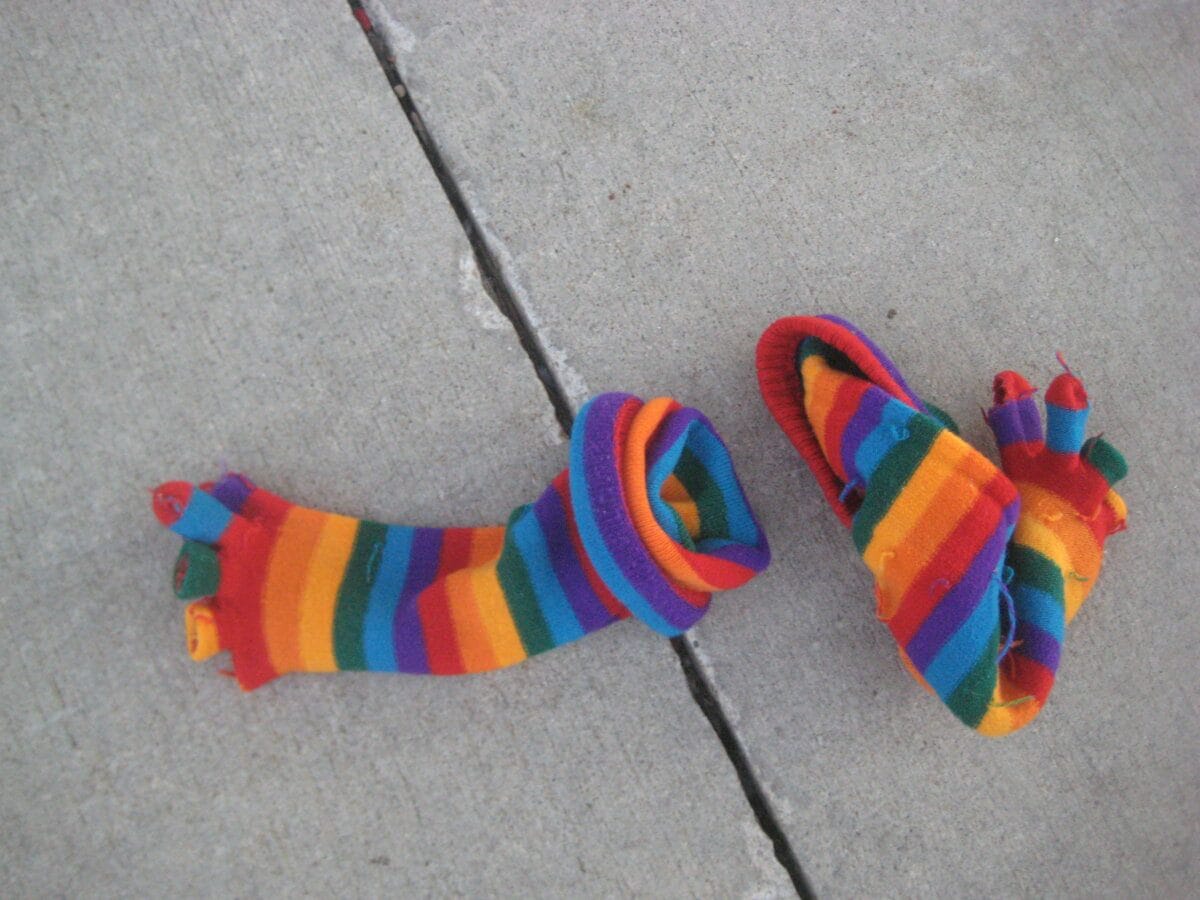
Sit with this: Korea is having a full-blown fashion moment over a $1.50 sock your uncle used to wear with hiking sandals at a campsite. The toe socks trend — socks where each toe gets its own little pocket, like gloves for your feet — went from “weird gag gift” to “thing Park Jin-young recommends on national TV” in about a year. So let’s do a timeline, because the real story beats “K-pop stars made it cool.”
1970-1999: The Toe Socks Trend Was Just… Athletic Gear
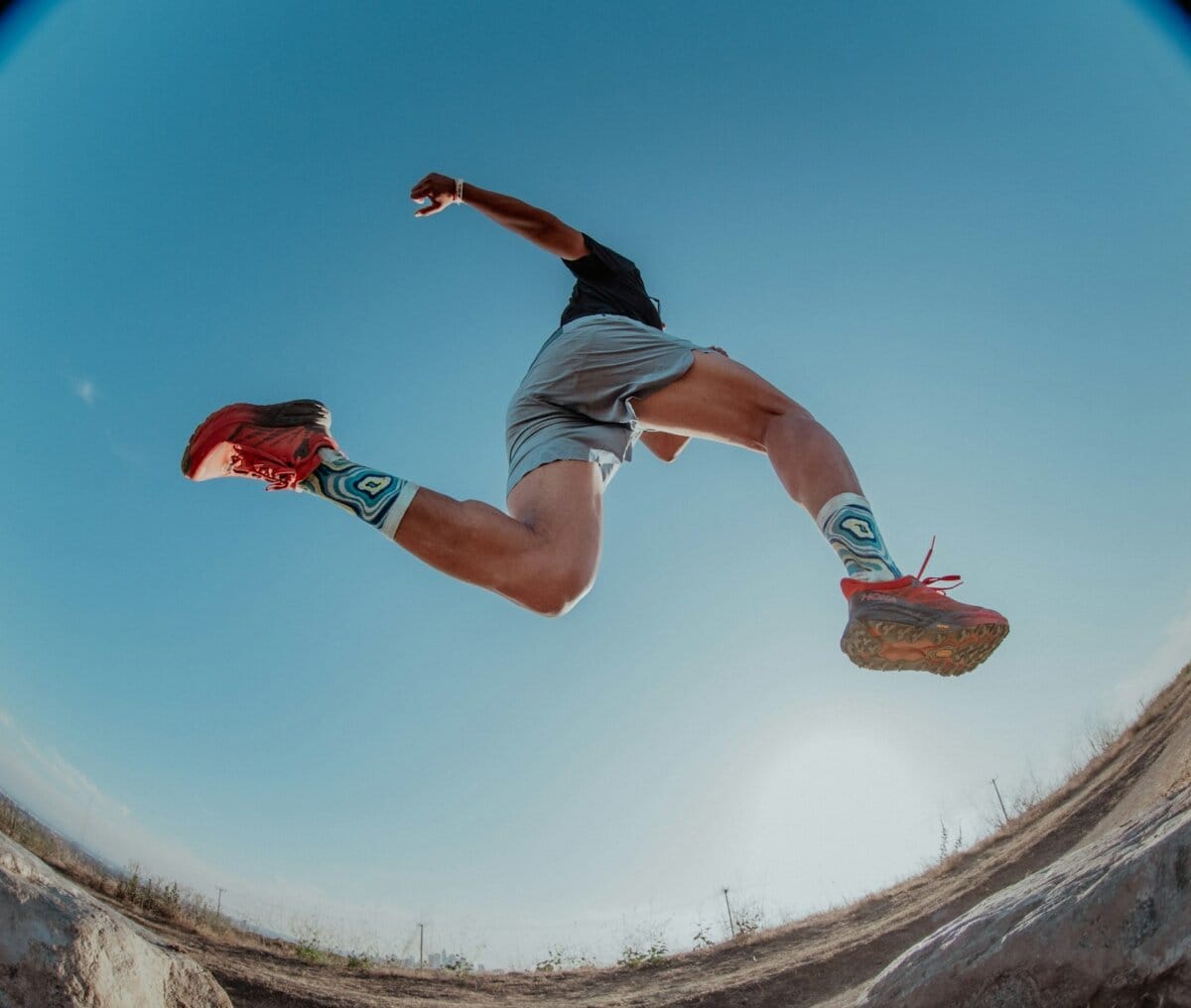
This didn’t start as fashion. The first industrial five-toe sock patent was filed in Spain in 1970; Japanese manufacturers in Wakayama refined it in 1974 through the late-1980s Japanese wellness boom, sold as a circulation aid. Korea formally imported the style in the late 1990s, where it sat quietly in the “functional sock” aisle for two decades. Meanwhile, a California brand called Injinji launched in 1999 built entirely around the five-toe design and became a cult favorite in American ultramarathon and trail-running circles — toe separation cuts friction and blisters on 50-mile runs. If you’ve known a hardcore US trail runner, they may have owned toe socks a decade before this became a Seoul street-style headline.
2025: A Luxury Runway Turned It Into a “Look”
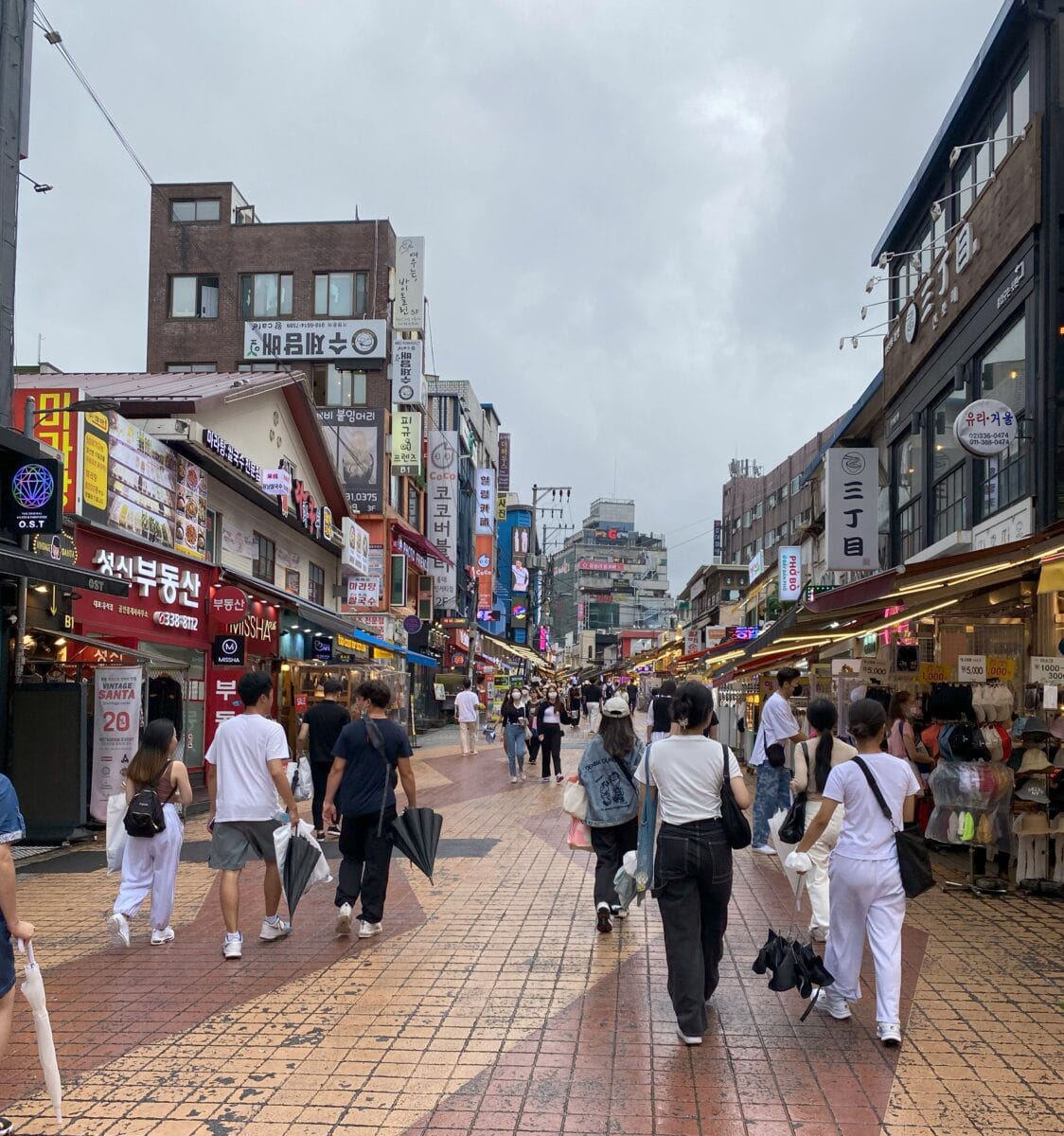
The pivot from gear to fashion traces to Miu Miu’s Spring/Summer 2025 collection, which sent models down the runway pairing open-toe socks with flip-flops — a combo that’d still get you side-eyed in most Western offices. Lemaire and Paloma Wool followed with their own versions for 2026. Korean fashion writers dubbed the category 발꾸 (“balkku,” roughly “foot styling”), lumping open-toe socks with toe rings and ankle rings as part of an MZ-generation habit of small accessory customizations rather than head-to-toe trend chasing. It’s smart business too — socks usually tank the second sandal season hits, and open-toe styles keep people buying through the summer slump instead of three dead months.
July 25, 2026: The Celebrity Cosign That Sealed It
Then came the moment that broke it mainstream: singer Park Jin-young, who’s built a public persona around organic, back-to-basics living, appeared on MBC’s Omniscient Interfering View and personally recommended toe socks, on camera, to a national audience. Actor Ryu Hye-young was spotted in them too. Within weeks it wasn’t just runway kids in Seongsu; it was your mom’s coworker. That’s what fascinates me about Korean trend cycles — the gap between “niche wellness product” and “thing a 50-something singer endorses on primetime TV” was basically one talk show appearance.

Wait, Aren’t These Basically Modern Beoseon?
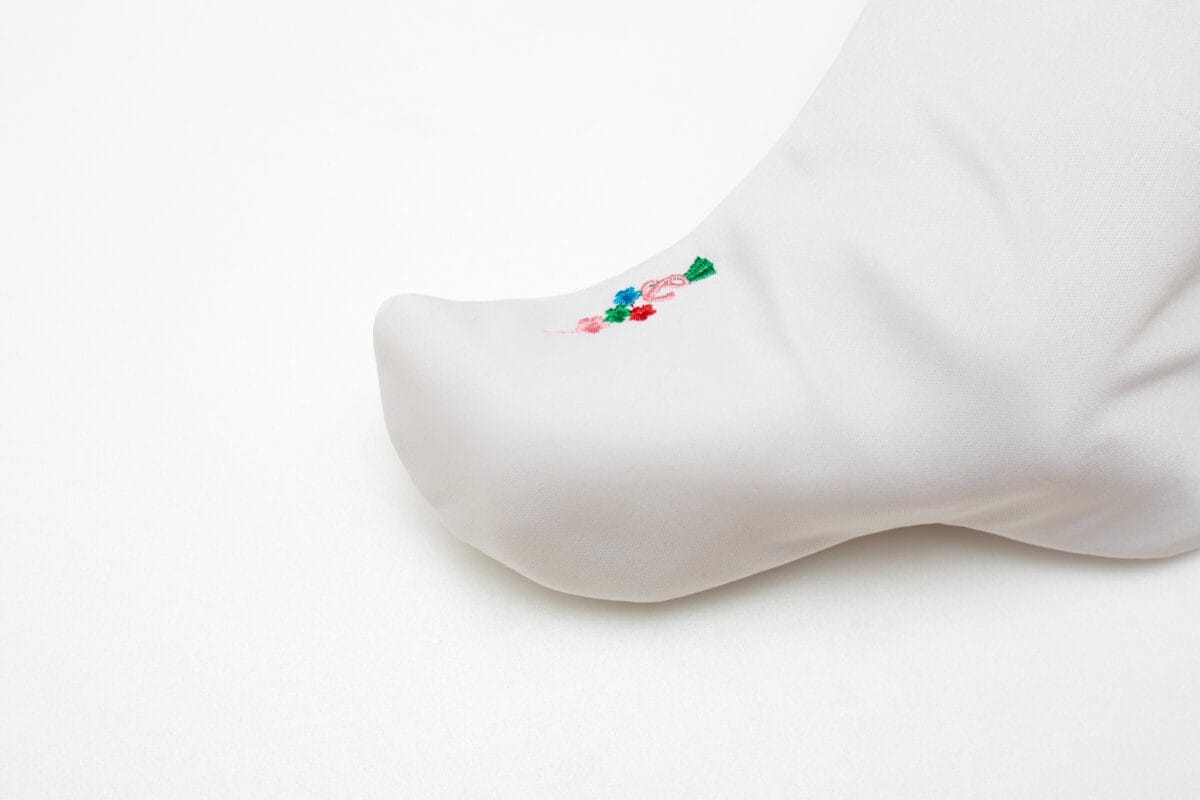
Here’s the detail that made me respect this trend instead of rolling my eyes at it: Korea has centuries of history with shaped, foot-hugging socks. Beoseon (버선), traditional socks worn with hanbok since at least the Three Kingdoms period, were cut with a sculpted toe line to define the foot’s shape — silk for the upper class, cotton for everyone else, and a late-Joseon version with sharp lines “like cucumber seeds” to flatter the silhouette. Modern socks replaced beoseon once Korea opened to foreign trade in the late 1800s, demoting it to hanbok-only, holidays-and-weddings territory. So when outlets frame toe socks as new, it’s a little funny — Korea has basically always cared this much about how socks make feet look.
August 25, 2026: The Reality Check
Now the part that matters if you’re actually considering buying a pair. A lot of the marketing and social chatter frames toe socks as an athlete’s foot prevention tool, since separating the toes theoretically keeps them drier. Dermatologists pumped the brakes this week. Dr. Lee Ji-hyun of Seoul St. Mary’s Hospital told the Korea Times that “the most important steps in managing athlete’s foot are thoroughly washing between the toes, drying them completely and avoiding damp environments” — not sock shape. Dr. Min Joon-hong of Kangbuk Samsung Hospital added that ventilated shoes do more than any specific sock. Bottom line from both experts: sock type has no clear causal relationship with preventing athlete’s foot, full stop. Not a trivial caveat — for older adults or anyone immunocompromised, untreated athlete’s foot can progress to bacterial infection and, in serious cases, sepsis. Cute socks aren’t a substitute for drying your feet.
So Should You Actually Buy Toe Socks?
Sure, if you like the look or you’re in sandals all day and want less toe friction — that part is real, backed by decades of ultrarunner use, not just K-fashion vibes. Just don’t buy them thinking they’re a medical device. In Korea you can grab a basic pair at Daiso for about 2,000 won (roughly $1.45), which says everything about how democratized this “runway trend” got in twelve months flat — from a Miu Miu show to a dollar-store shelf. That trajectory, more than the socks themselves, is the real story: Korea’s fashion cycle takes a niche functional item, runs it through a luxury runway and one well-placed celebrity moment, and spits it out as a 2,000-won impulse buy before the year is over. If “toe socks” still reads as a novelty gift to you, it’s time to update that file.
you might also like


Sources
- The Korea Times: “Toe socks become fashion must-have, but are they good for your health?”
- Kyunghyang Shinmun: coverage of Park Jin-young and the history of toe socks
- Hankook Ilbo: on the sandals-with-socks styling trend
- Korea Textile News: on the “balkku” (foot styling) trend
- Wikipedia: Beoseon, traditional Korean socks