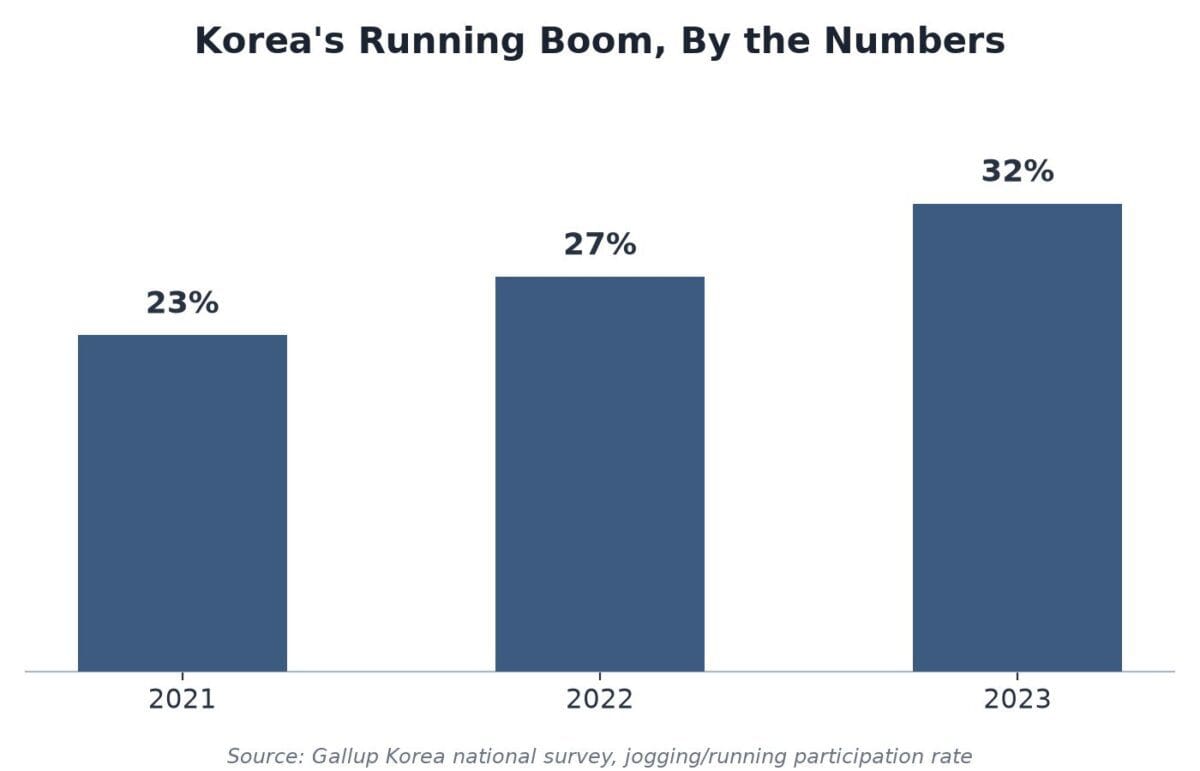
In 2021, only 23% of Koreans said they’d gone jogging or running in the past year. By 2023, that number had climbed to 32%, and this summer it tipped into a full-blown obsession — except the version currently blowing up on Korean TikTok involves people moving at a pace slower than most people walk to catch a bus. It’s called the slow jogging trend, and no, that’s not a typo. Koreans are running at 4 to 6 km/h — 10 to 15 minutes per kilometer — in coordinated group lines, and somehow this is the trend that’s finally breaking through, not another PR-chasing marathon craze. I needed to understand why, because as someone raised to think a “good run” meant checking Strava afterward to see if I’d beaten my last time, this feels like it’s mocking me personally.

Okay, But What Even Is Slow Jogging?
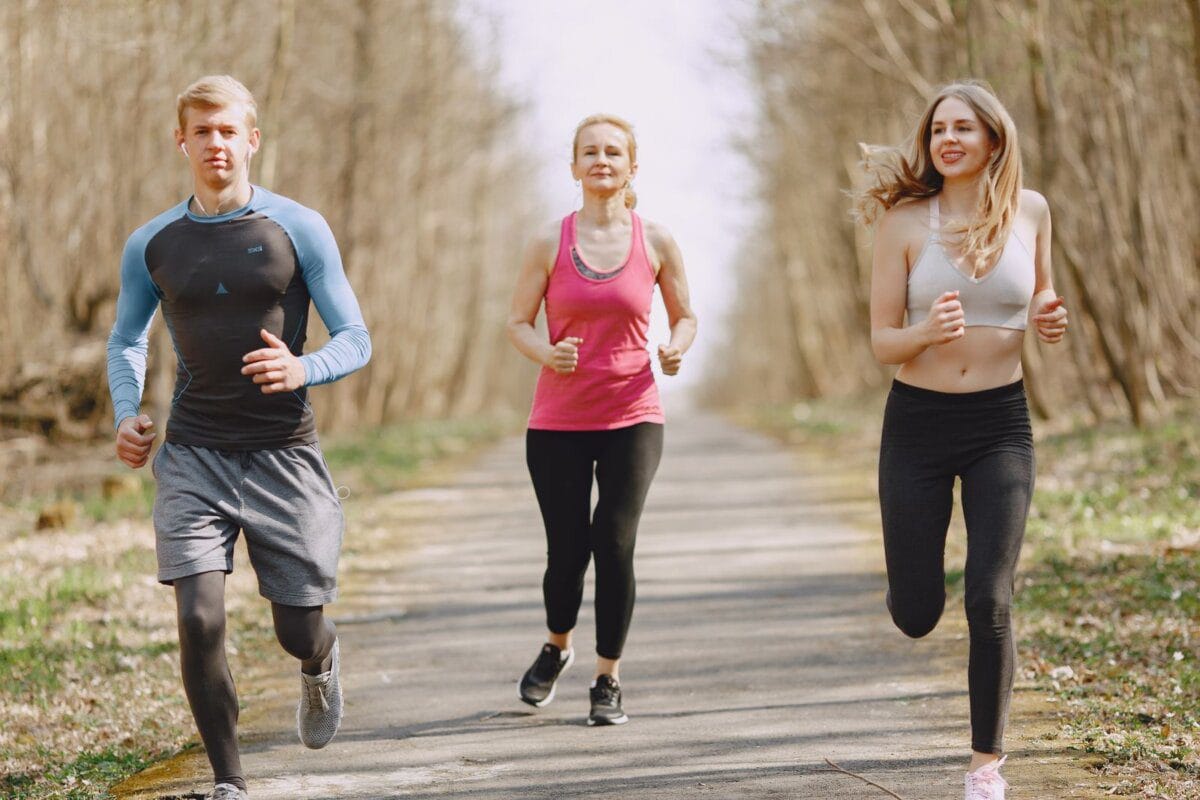
Slow jogging isn’t actually new, and it isn’t Korean in origin. It was developed by Hiroaki Tanaka, an exercise physiologist at Fukuoka University in Japan, as a low-impact cardio method built around tiny, quick steps and a pace so gentle you can hold a full conversation the entire time. Korea’s Slow Jogging Association imported the method back in 2012, where for years it mostly lived as a quiet wellness-class activity for older adults. Then, starting around early July of this year, it jumped from senior community centers to group meetups filmed for social media, and per Canadian Running Magazine, it’s now spreading well beyond Korea’s borders. The appeal, according to people trying it for the first time, is that it barely feels like exercise until you realize you’re sweating and your legs are somehow more tired than after a normal jog.
The Boom By the Numbers
Slow jogging didn’t appear in a vacuum — it’s riding an actual running boom Korea has been building for five years. According to Gallup Korea survey data, jogging participation rose from 23% of the population in 2021, to 27% in 2022, to 32% in 2023, and Korea’s estimated running population passed 10 million people in 2025. Search volume for “running” jumped 270% year over year, and 254 organized marathon events drew over a million total participants last year alone. The industry noticed: Kolon FnC’s running-gear sales climbed 145% in a single fall season versus the year before. This isn’t a niche TikTok fad grafted onto nothing — it’s a running culture at genuine scale, and slow jogging is what happens when that scale starts pushing back against its own intensity.
Korea vs. America: Same Sport, Very Different Vibe
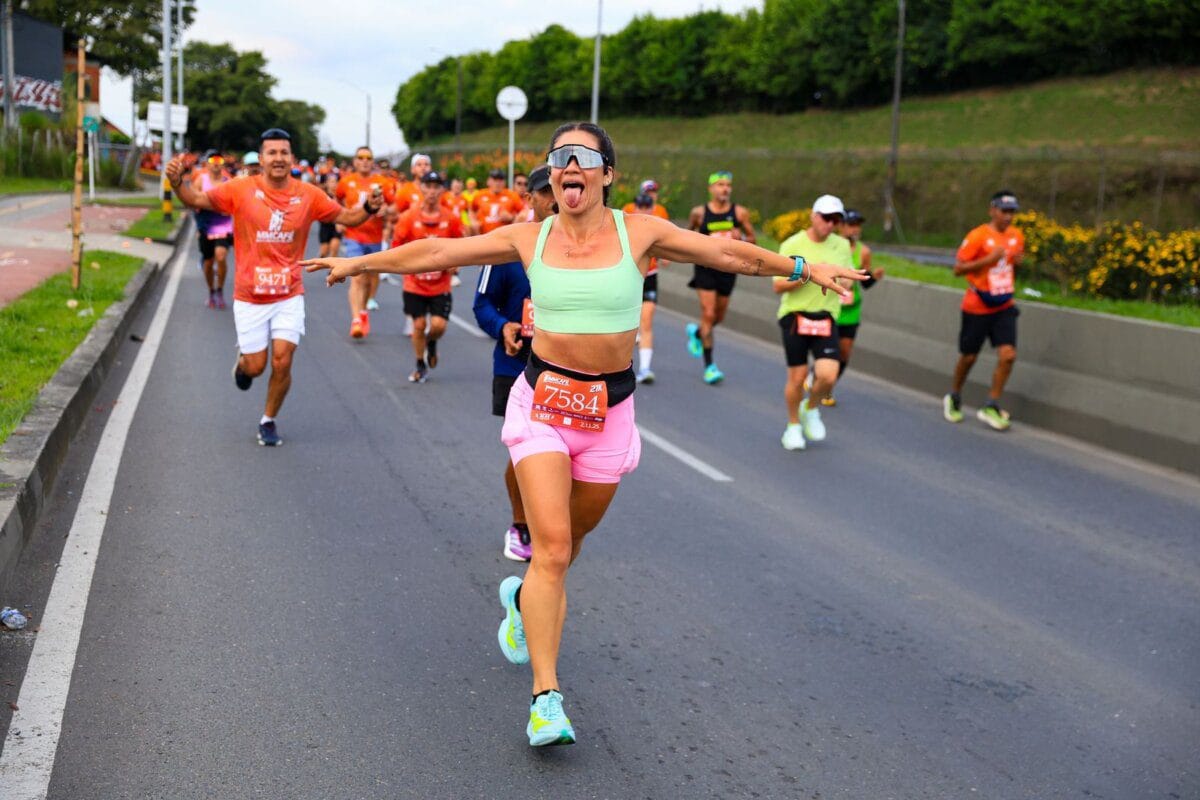
Here’s where it gets interesting for anyone who’s spent time in an American run club or on Strava. U.S. running culture, especially post-pandemic, has leaned hard into performance — segment leaderboards, negative splits, pace groups sorted down to the minute. Korea’s running boom actually started from a similarly intense place: marathon entry lists filling up in minutes, PR culture flooding Instagram, running windbreakers becoming their own fashion category. Slow jogging is the direct reaction to that same pressure, except it caught on in Korea first and at scale, largely because group culture there already normalizes doing structured activities together rather than solo. Imagine your local run club, except nobody’s checking anyone’s pace, injuries basically don’t happen, and the 70-year-old in line is keeping up just fine — because the whole point is that she can.
The Actual Science Isn’t Nothing
This isn’t just “walking with extra steps” for the aesthetic. Slow, sustained aerobic movement is linked to increased production of brain-derived neurotrophic factor (BDNF), a protein tied to memory and cognitive function — part of why the trend has real crossover appeal with older adults, not just Gen Z looking for a cute group activity. It’s also dramatically lower-impact on joints than standard running paces, which matters in a country where running-related injury complaints have climbed right alongside the marathon boom.
Why This Actually Matters
Slow jogging landing this hard says something bigger about where Korean youth and wellness culture is heading in 2026: a quiet but consistent pushback against optimization for its own sake. It’s the same energy behind Korea’s recent sauna revival among 20- and 30-somethings, and it mirrors a broader fatigue with achievement-driven self-improvement content — the constant chase of PRs, follower counts, and streaks. For a fitness culture that spent five years accelerating, the fact that “just go slower” is what actually went viral is kind of the whole story.
Anyway, I tried a version of this during my last trip to Seoul and nearly got lapped by a grandma in a visor. Humbling. 10/10 would recommend.
you might also like


Sources: