Okay so I was doom-scrolling TikTok last week and landed on a New York Post video calling a $70 UV umbrella “the coolest thing you’ll buy this summer,” and I just sat there like… y’all are only figuring this out now? Because my Korean friend Yuna has been carrying what is essentially a black umbrella in full sun since 2019, rain or shine, and I used to think it was kind of a bit until I actually tried it and realized I was the idiot the whole time. Korea’s parasol culture — yes, an entire culture built around not letting the sun touch you — has quietly existed for decades, and this summer it’s crossing the Pacific for real. Here’s the actual comparison, numbers and all, because this is way more interesting than “Asians like umbrellas.”
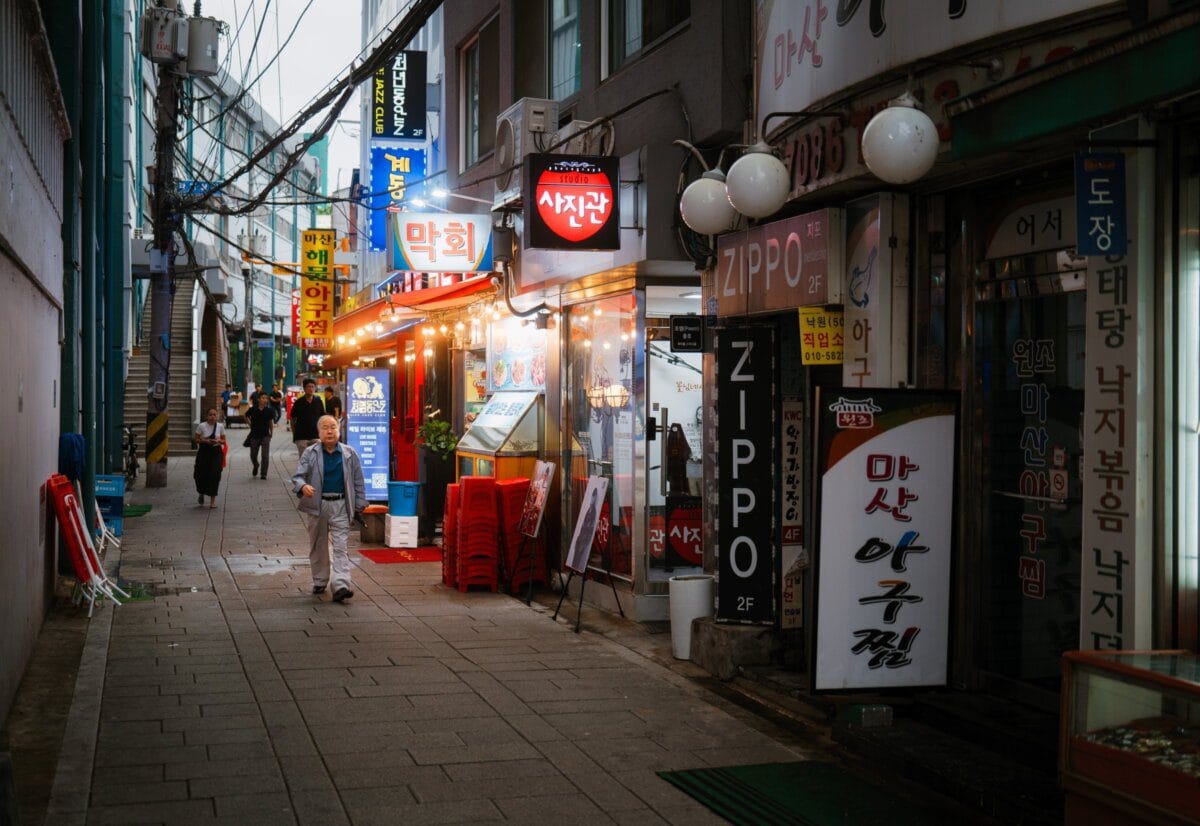
Korea: This Isn’t a Trend, It’s Infrastructure
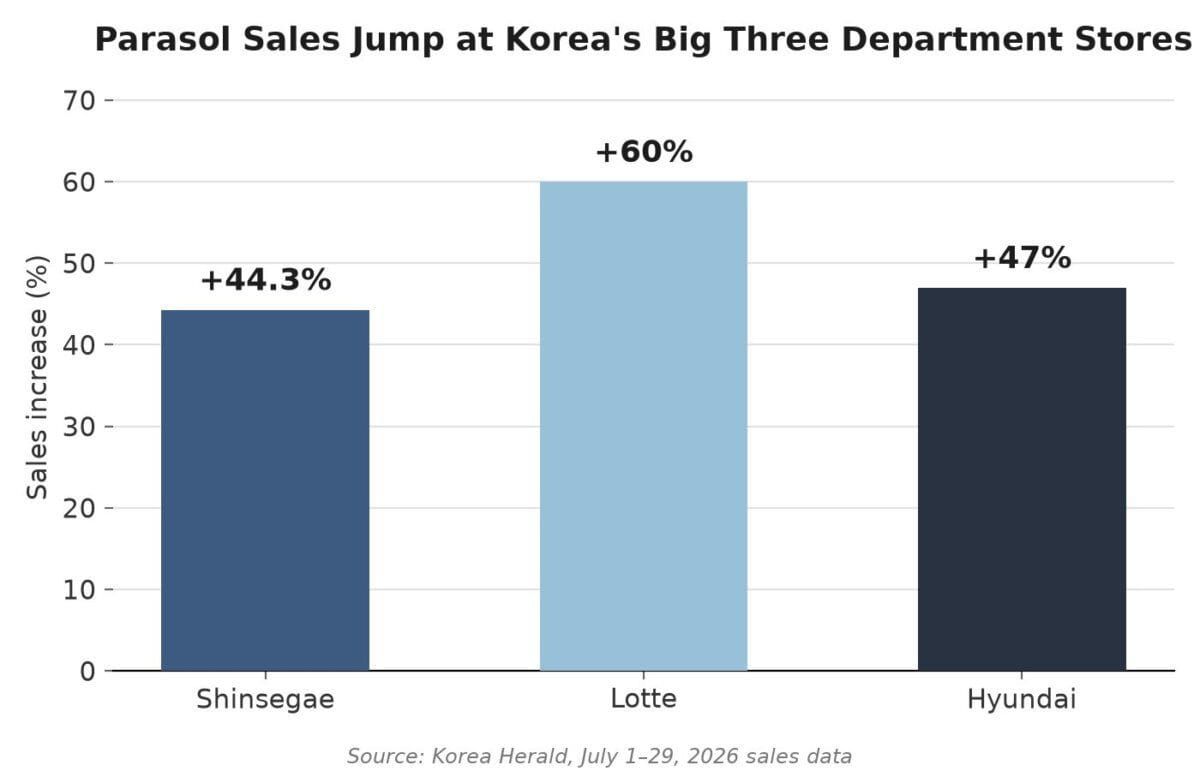
First, context for anyone picturing a cute little beach umbrella: Korean parasols (양산, yangsan) are usually black or dark-coated on the underside, UV-blocking, and treated less like an accessory and more like a mandatory piece of summer gear, the same way you’d never leave the house without shoes. This year that gear got a serious upgrade in urgency. According to the Korea Herald, during a single stretch of the July 2026 heat wave, parasol sales jumped 44.3% at Shinsegae, 60% at Lotte, and 47% at Hyundai — Korea’s three biggest department store chains, all reporting double-digit growth in the same three-and-a-half-week window. That’s not a niche trend blip, that’s a country restocking.

And there’s a real reason for the panic-buying. The Seoul Economic Daily reported that Korea’s Disease Control and Prevention Agency logged heat-related illness cases up more than 20% year-over-year to 4,460 patients, and a joint Seoul-Japan study found that parasol use can cut perceived temperature by up to 10 degrees Celsius (18°F) — which, if you’ve ever stood on a subway platform in Seoul in August, is the difference between “fine” and “genuinely might pass out.” Japan’s Ministry of the Environment separately found parasol use cuts perspiration by about 20%. This is why Korean drugstores sell parasols next to sunscreen, not next to rain gear.
America: We’re Catching Up, and the Numbers Explain Why
So why is the US suddenly obsessed with a thing Korea’s been doing forever? Two words: climate and cancer math. The American Cancer Society projects about 112,000 new invasive melanoma diagnoses in the US in 2026, plus another 122,680 cases of melanoma in situ (the earliest, most treatable stage) — 234,680 total. That’s up from roughly 105,000 projected cases in 2025. Dermatologists have been saying for years that sunscreen alone isn’t enough because most people apply way less than the recommended amount and forget to reapply, so a physical barrier that just blocks UV outright is catching on as the smarter backup. Add in the fact that US summers keep breaking heat records, and you get exactly the conditions that made parasols normal in Korea decades ago now showing up in Texas and Arizona.
For comparison, this isn’t even Korea’s first parasol surge — during a similar heat wave in July 2025, Emart’s umbrella and parasol sales rose about 25% and online retailer 11st saw a 42% jump, per the Korea Times. So the 2026 numbers (44–60%) aren’t a one-off, they’re an acceleration — the trend is compounding year over year as heat waves get worse, which honestly tracks with basically every other climate-adaptation habit we’re all quietly adopting right now.
Wait, Is This the Thing People Called Racist?
Yes, and I have to bring it up because if you’ve been on TikTok you’ve probably seen it: a viral video (600,000+ views, 6,200+ comments per the Korea Times) argued that Asians avoiding sun exposure is “upholding white supremacy” and internalized colorism, essentially framing the parasol as a symptom of wanting lighter skin. It’s not a totally baseless read — Korea does have a long, complicated history tying pale skin to beauty standards, going back centuries before K-beauty ever existed. But dermatologists pushed back hard on the “it’s just vanity” framing. Dr. Cho Sung-jin told the Korea Times that “UV radiation is the most representative risk” for skin cancer and recommended parasols specifically as an outdoor supplement to sunscreen, not a vanity substitute for it. Also worth noting: Korea’s National Institute of the Korean Language recently updated its own dictionary to remove language describing parasols as “used mainly by women,” and male-targeted parasol searches now number in the tens of thousands — so whatever the original beauty-standard roots were, the current use case has shifted pretty firmly toward “basic public health tool everyone uses,” gender included.
Why This Actually Matters Beyond “Korea Does Umbrellas Differently”
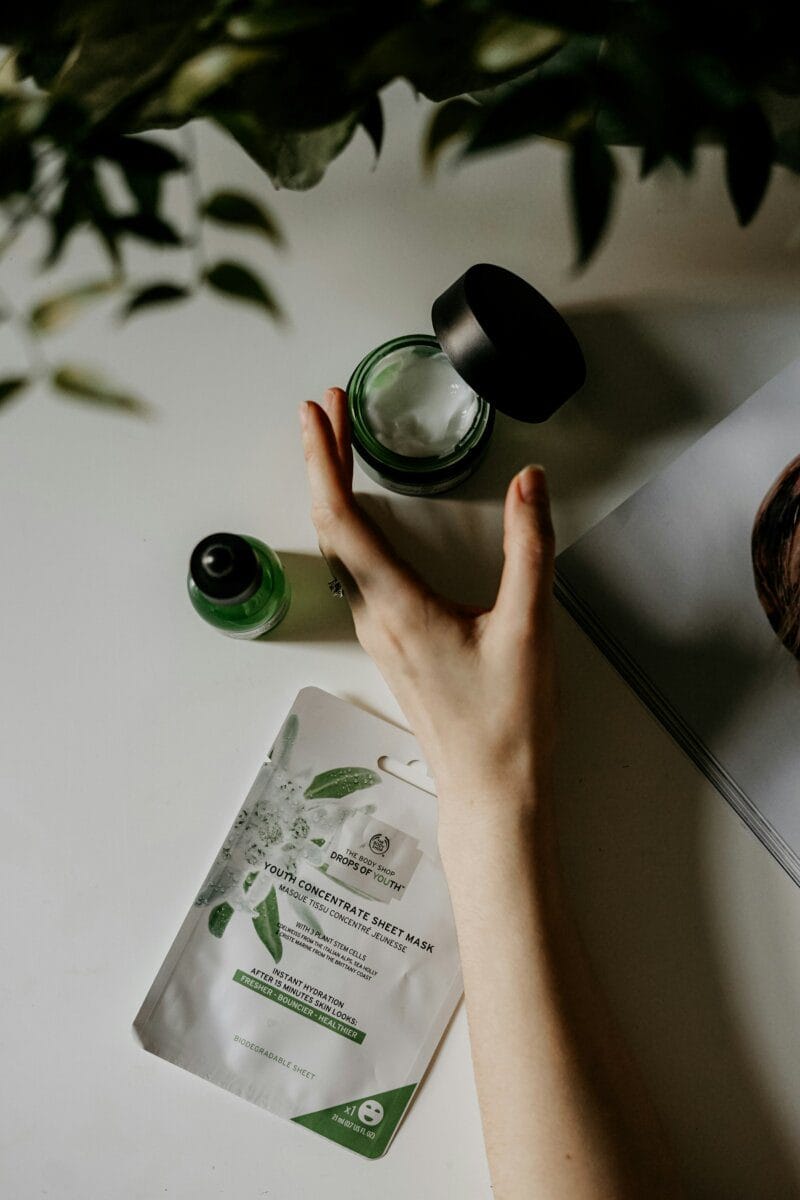
This is bigger than one accessory. It’s K-beauty’s decades-long obsession with sun protection quietly becoming the West’s new baseline, the same way sheet masks and glass skin did before it — except this time the export isn’t a product, it’s a behavior. It’s also a small but real data point in how fast climate adaptation habits move once the discomfort gets bad enough: Korea normalized parasols under repeated heat waves, and the US is now compressing that same adjustment into a couple of viral summers instead of a couple of decades. And the gender-neutral shift matters too — when a “women’s accessory” becomes unisex that fast, it’s usually because necessity beat social stigma, not the other way around. Basically: keep an eye on your local drugstore’s umbrella aisle, because if Korea’s any indication, this isn’t going away when the heat wave ends.
you might also like


Sources
- The Korea Herald — “Is using a sun umbrella linked to racial bias?”
- The Korea Times — “Are Koreans using parasols racist? Skin health vs. white supremacy debate reignites”
- Seoul Economic Daily — “Heat Wave Follows Monsoon’s End: A Parasol Can Cut Perceived Temperature by 10 Degrees”
- American Cancer Society — Key Statistics for Melanoma Skin Cancer, 2026