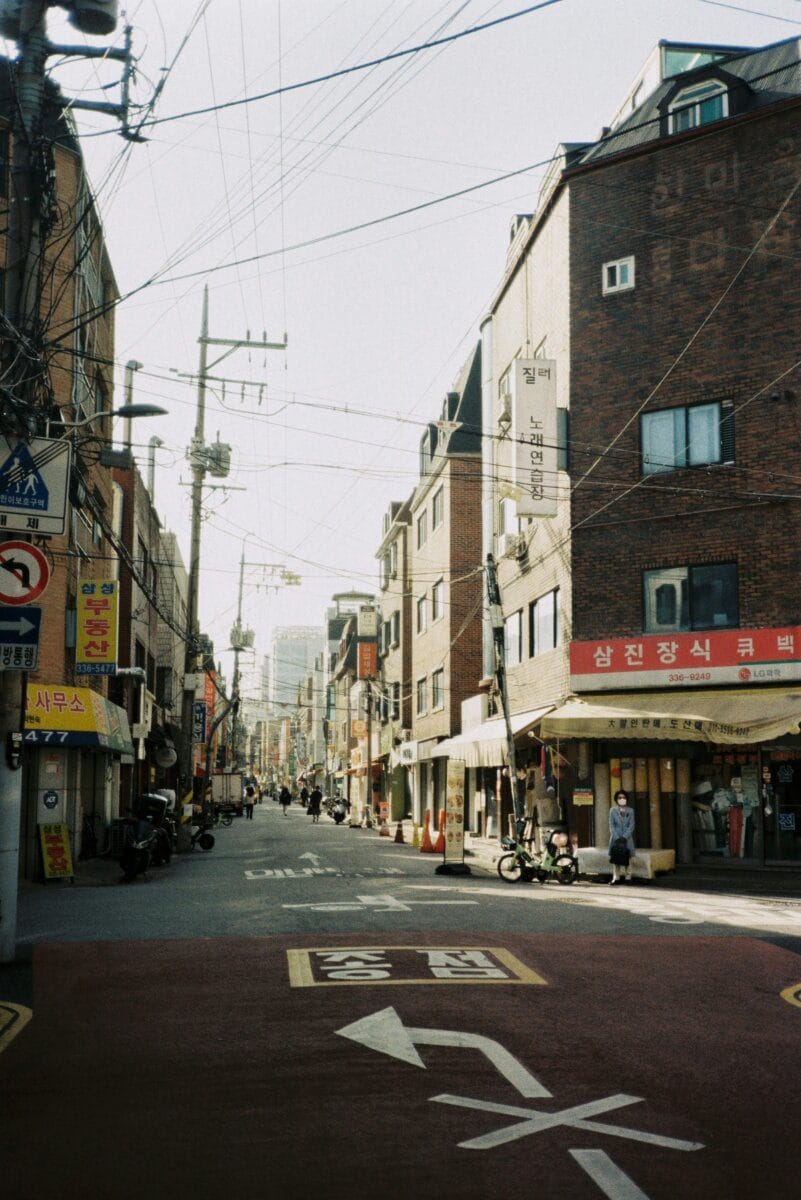
Okay so I was three fancams deep into a Seventeen livestream rabbit hole (as one does at 1am) when I noticed it: a tiny turtle, maybe the size of my thumbnail, glued right onto Dino’s phone case. Then I saw it on Nayeon’s phone. Then on a random girl’s phone at the café next to my Airbnb in Hongdae the following week. That’s when I knew this wasn’t a one-off — it’s a full-blown lucky turtle phone charm trend, and it’s currently the most Korean thing happening in South Korea that nobody outside the country has fully clocked yet. So let’s do a myth vs. reality breakdown, because there’s way more going on here than “cute animal sticker.”
Myth: It’s just a Labubu knockoff with a shell
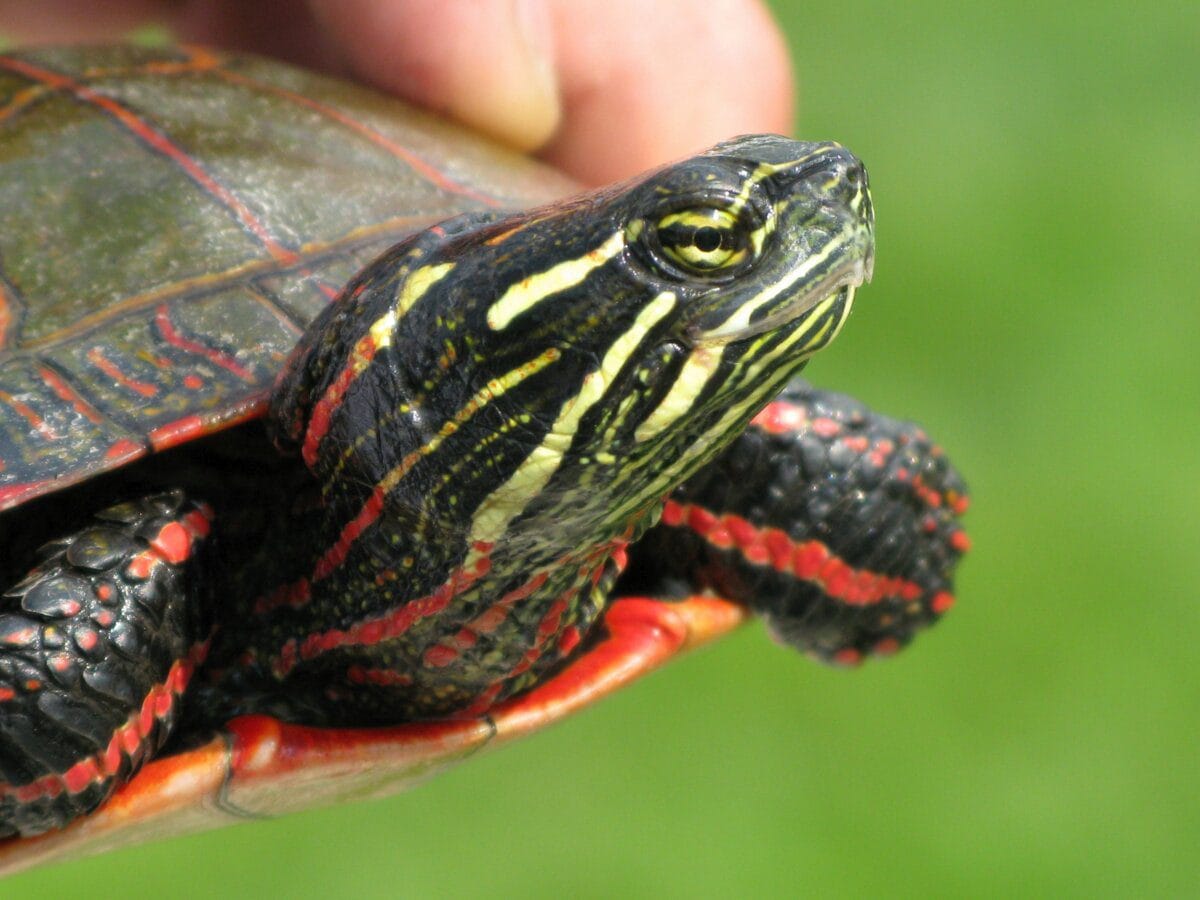
I get why you’d assume that. Pop Mart’s Labubu figures have basically colonized every Western Gen Z tote bag this year, and turtles-on-phones has the same “irrationally small collectible” energy. But the reality is turtles have been doing luck-symbol duty in Korea for centuries, way before anyone attached a blind-box economy to it. In Korean folk belief, the turtle (거북이, geobugi) represents longevity because, well, turtles just don’t die — some species live over 100 years — and that association got baked into everything from royal-tomb carvings to grandma’s favorite proverbs. What’s new isn’t the symbolism. What’s new is shrinking it down to nail-polish size, color-coding it, and gluing it to the one object Gen Z touches 96 times a day: their phone.


Myth: It’s random idol product placement
Nope — and this is the part that makes it a genuinely interesting case study, not just another agency marketing push. The trend wasn’t manufactured by a label. It started with independent sellers and one ceramic artist, Selynn Hwang, who hand-makes porcelain turtles in batches of hundreds every week and sells them for roughly 10,000–20,000 won (about $7–$14). Then K-pop stars started wearing them organically, the way idols show up to fan-sign events with whatever merch or accessory they personally like. Seventeen’s Dino showed his off on a livestream in July, matching his group’s official colors. Ateez’s San, Twice’s Nayeon, Zerobaseone’s Sung Hanbin, and Kiss of Life’s Haneul all followed with their own turtle pairs. Once fans started screenshotting idols’ phone cases (a very real and very committed hobby), demand exploded from the bottom up — not the top down, according to #legend’s reporting on the sellers behind the trend. A seller called Bora_and, with about 60,000 Instagram followers, sells randomized turtle pairs for roughly 3,500 won, or about $2.40.
Myth: It’s a luxury flex
This is the one that actually surprised me. Every color means something specific — green for health, yellow for wealth, pink for love, blue for success — and you’re meant to pick based on what you personally need luck with right now, not what looks best. But the bigger story is underneath: a PwC analysis of roughly one million Korean debit and credit card transactions found this fits a much larger spending pattern among cash-strapped young Koreans, who are pulling back on big purchases (cars, luxury bags, even dating and drinking, if you caught our post on Korea’s disappearing hoesik culture) while still spending small, frequent amounts on affordable things that make them feel good. A $2.40 turtle is basically a permission slip to treat yourself without the guilt. Ceramic artist Hwang put it well: the charm isn’t meant to be a magic fix, it’s “a reminder” of what you’re hoping for. That’s a pretty different vibe from “I bought a $300 handbag to feel something.”

Myth: This is basically the same as the Labubu craze, just smaller
They’re cousins, not twins. Pop Mart’s Labubu figures moved over 100 million units globally in 2025 alone, helping push the company’s revenue to roughly $2.5 billion — a 33x jump from just $74.8 million back in 2018. That’s a mass-manufactured, globally distributed blind-box empire. Lucky turtles are the opposite: hyper-local, partly handmade, and priced like a snack instead of a splurge. Where Labubu is “collect the whole set and flex it,” the turtle trend is “wear the one color that means something to you right now.” It’s less Pop Mart, more like if a four-leaf clover and a friendship bracelet had a baby that happened to go viral because a K-pop idol wore it on stream.
Myth: You have to be in Korea to get one
Not really, though it’s genuinely trickier than ordering a Labubu. Most of these are sold through small Korean sellers on Instagram, Threads, and local marketplace apps rather than big international retailers, so you’re looking at either finding a reseller who ships internationally, asking a friend visiting Seoul to grab a pair at Hongdae or a stationery shop, or waiting for the inevitable AliExpress knockoffs to show up (they already have, unsurprisingly). If you want the “real” version — hand-thrown porcelain, not resin — Hwang’s turtles are the ones fans specifically track down, which tells you something about how much this trend is rooted in craft, not just virality.
Why this actually matters
Trend pieces about “cute thing Gen Z likes” are a dime a dozen, but this one is a legitimately useful window into where young Korea’s head is at economically and emotionally right now. It’s the same generation navigating a brutal job market, a housing crisis, and — as we’ve covered before — walking away from drinking culture and traditional dating norms, and their response isn’t to stop finding joy, it’s to relocate it somewhere cheaper and more personal. A turtle you pick because it means “health” or “success” is a tiny act of control in a country where a lot of the big stuff (career, marriage, home ownership) feels increasingly out of anyone’s hands. If you’re the kind of person who tracks K-pop trends for the aesthetics, this one’s worth grabbing for your own phone. If you track them for what they reveal about the culture, this one’s worth grabbing for your notes app.
Anyway. I’m now the proud owner of a green one and a pink one, because apparently I need both health and love, and honestly? Fair.