Okay so I need you to picture this: I’m FaceTiming my friend in Seoul last week, she picks up her phone, and dangling off the back of her case is… a tiny turtle. Not a real one (relax). A little resin turtle, about the size of your pinky nail, glued right onto her phone. I said “wait what is that” and she looked at me like I’d asked what K-pop was. Bestie. It’s everywhere. Welcome to the lucky turtle phone charm trend, the most Korea thing to happen to Gen Z since the 10-year challenge, and today we’re breaking down why literally every twenty-something in Seoul suddenly has a reptile glued to their electronics.
Wait, what even is a lucky turtle phone charm?
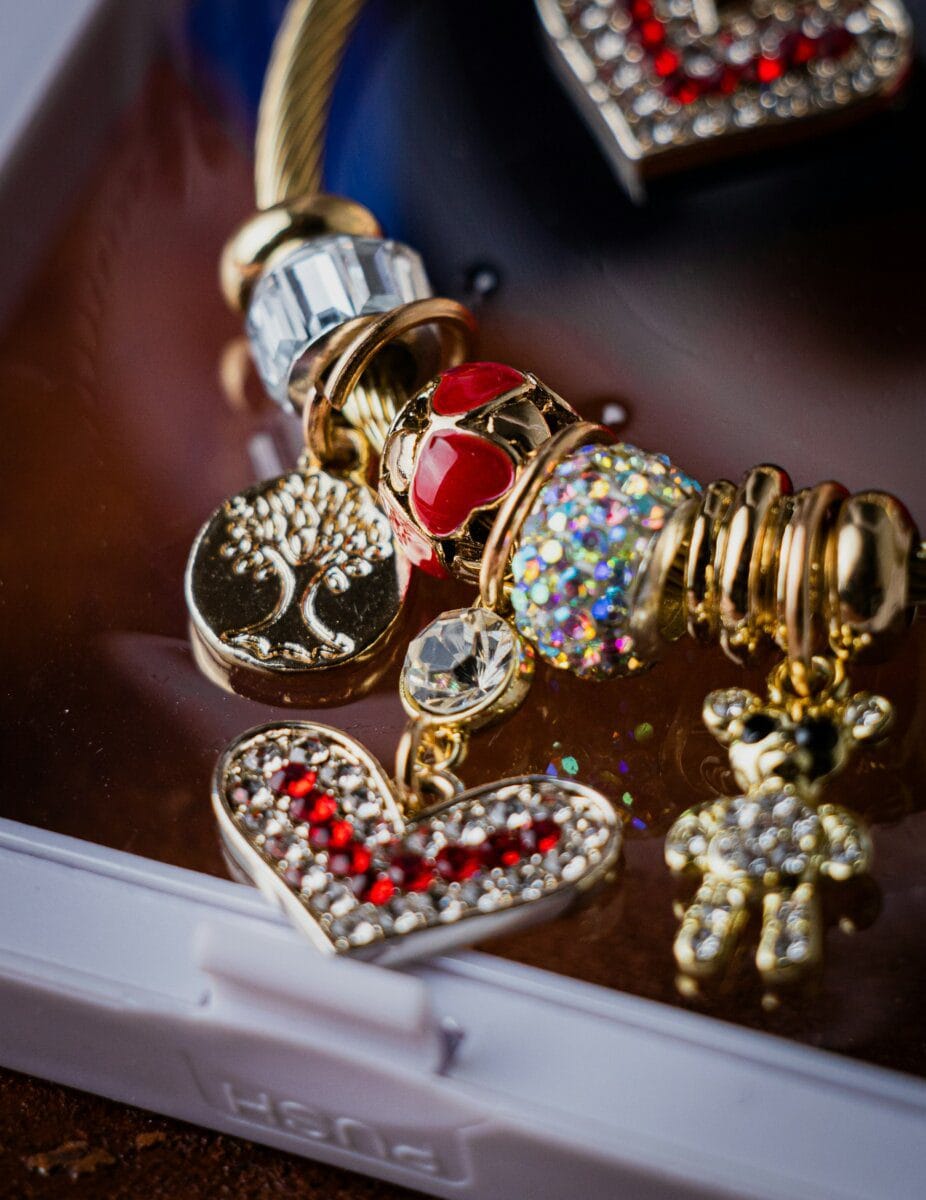
So the actual object is small — we’re talking nail-sized — and it’s usually made of resin, ceramic, or beads, shaped like a turtle, and stuck (or 3M-taped, very important, very removable) onto the back of a phone case. Sometimes it’s one turtle. Sometimes people are out here rocking a whole squad of them, like a tiny reptilian entourage riding around in your back pocket. Some are shiny and glossy, some are matte, some straight up glow in the dark, and there are hand-thrown ceramic ones from actual artists that cost more and are basically wearable art. The trend has a name in Korean — 거북이 폰꾸, which roughly translates to “turtle phone decorating” — and per Hankyung Magazine, it exploded across Instagram, TikTok, and Korean apps like Threads over the past couple months.
Okay but why a turtle, of all animals
This is the part that actually got me. In Korean culture, turtles have symbolized longevity, patience, and good fortune for basically forever — old folktales, temple carvings, that kind of energy. But Gen Z didn’t just inherit the symbolism, they remixed it: green is for health, yellow is for money, pink is for love, blue is for success. So when you pick your turtle (or turtles, no judgment), you’re basically manifesting a vibe onto your phone. It’s part fashion accessory, part mini vision board — think rose quartz crystal “for love,” but cuter and glued to your iPhone.
The K-pop idol pipeline (because of course)
No Korean trend is complete without an idol cosigning it, and this one has receipts, according to #legend. Seventeen’s Dino reportedly showed off a pair of turtles on his phone during a Weverse livestream back in July, and fans quickly spotted Twice’s Nayeon and Kiss of Life’s Haneul with their own setups. That’s basically the K-pop equivalent of a Vogue cover — the second fans clock an idol’s phone charm, they’re combing the internet for the exact same one. Within weeks it went from niche accessory to “thing you see on literally every subway car in Seoul.” Name a more efficient marketing pipeline. I’ll wait.

The real reason this hits different: it’s a Gen Z coping mechanism with a price tag under $3
Here’s the part that turns this from “cute accessory” into an actual cultural story, and honestly the part that made me sit up. South Korea’s youth job market and cost of living have been brutal for a while now — insane academic pressure, competitive corporate jobs, the whole thing. Yahoo Lifestyle is calling this a “kidults” moment: young professionals under real financial stress spending small amounts of money on collectible, comforting little objects instead of big-ticket stuff, because a $2 turtle that supposedly brings good luck is a lot more accessible than, like, anything else that might make your life easier right now. Mass-produced turtles go for around 3,500 won (about $2.40) for a random pair — yes, it’s a mystery-bag situation, you don’t know which color you’ll get — while handmade ceramic versions from indie artists run 10,000 to 20,000 won ($7–$14). Ceramic artist Selynn Hwang, who makes some of the sought-after ones, put it perfectly: it combines real emotional meaning with a design that’s cute and personal, so people can literally choose the wish they’re carrying around all day. If you know, you know — sometimes a tiny hopeful object is doing more emotional labor than it has any right to.
Where people are getting them (and how you could too)
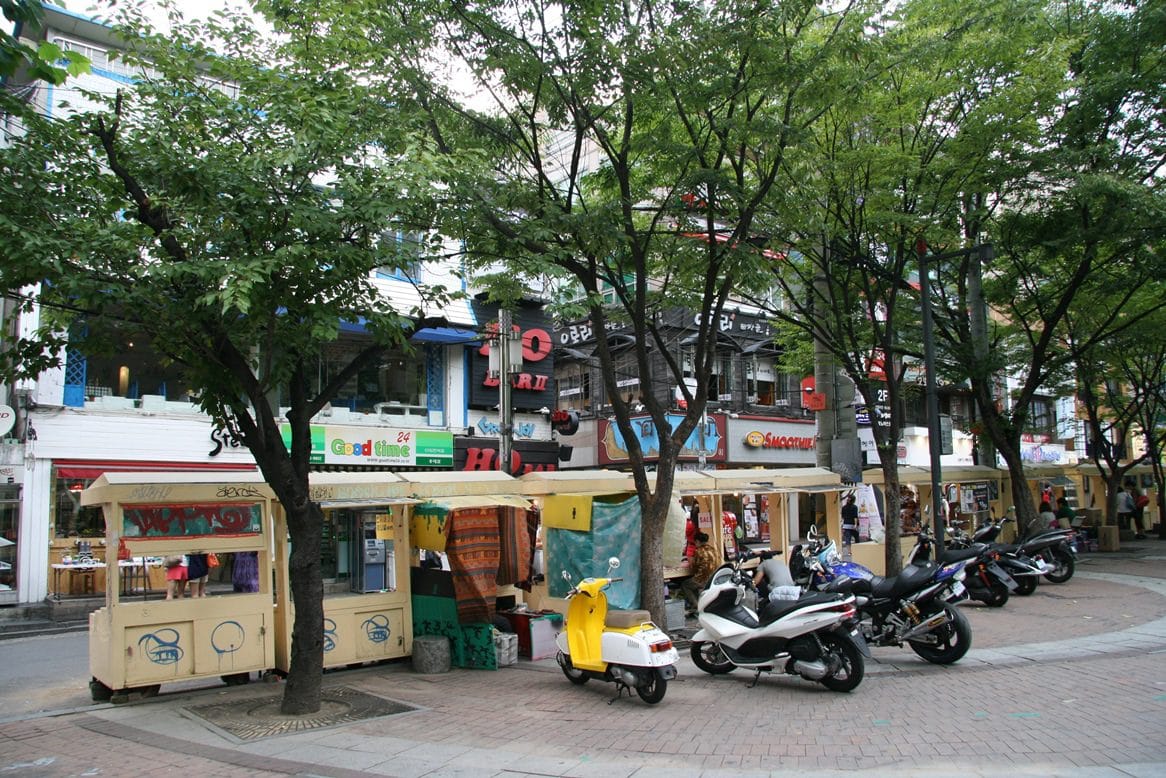
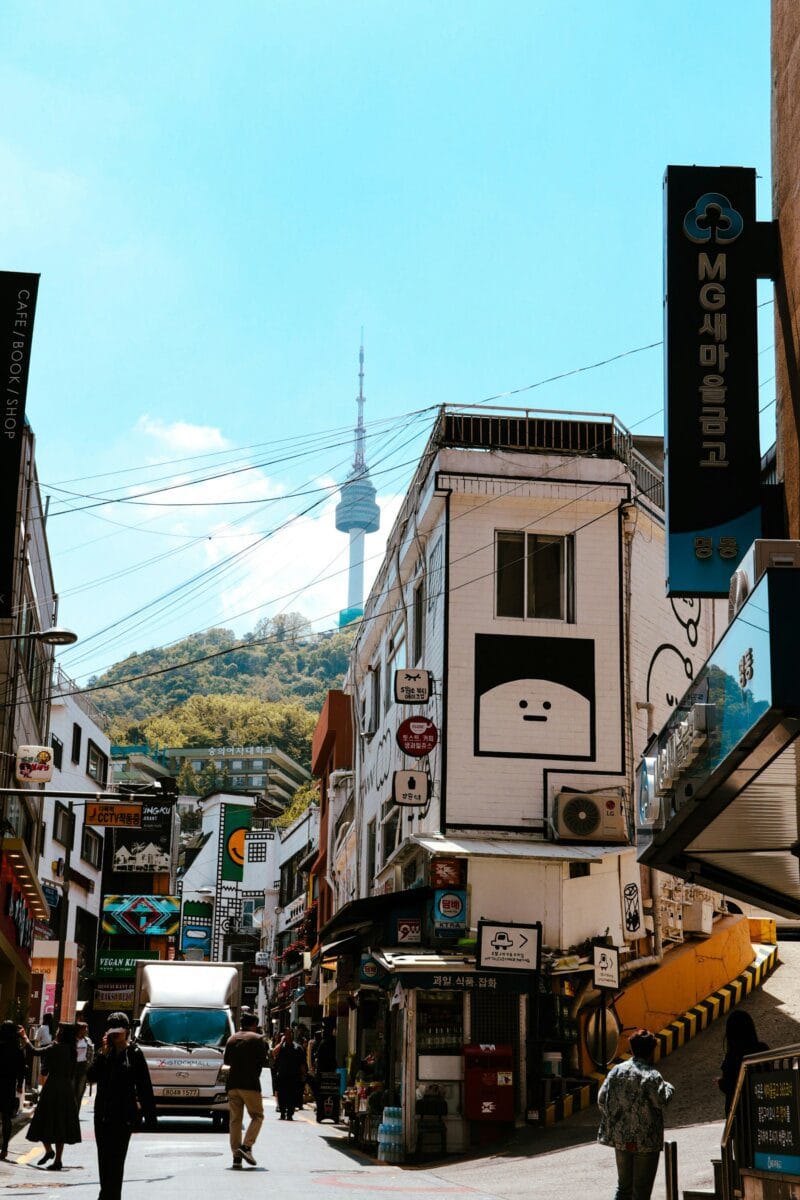
- Street markets and stalls in youth shopping districts like Hongdae and Myeongdong, where vendors sell rows of these things next to phone cases and stickers
- Indie ceramic artists selling handmade versions online, often through Korean social platforms, with limited “drops” that sell out
- General accessory and stationery shops that have jumped on the trend fast because, capitalism
If you’re not in Korea, keep an eye on internet marketplaces — Dojeon Media notes sellers overseas have already started listing “lucky turtle” charms, because that’s just how viral Korean trends work now. They hit Seoul in July and your local Etsy shop by September.
My honest take
Okay, personal opinion time. I think what makes this trend genuinely charming instead of just “another cute Asian aesthetic thing foreigners will misunderstand” is that it’s not really about the turtle. It’s about a generation of young Koreans dealing with a lot of real pressure and choosing to externalize a little hope in the cheapest, most adorable way possible. Also, listen, I would 100% buy one. Green for health, obviously, my group chat would never let me live down picking yellow for money first. If you’re planning a Korea trip, add “find turtle charm stall in Hongdae” to your itinerary immediately — it’s a five-dollar souvenir that’s actually part of a real cultural moment, not just tourist merch. And if you’re just vibing from your dorm room in the US reading this at 1am, you can already order one online. Your phone (and your manifestation era) deserves it.
Sources: