Quick pop quiz for anyone who has ever fallen down a K-pop Wikipedia hole at 2am: what’s supposed to happen to a group on its seventh anniversary? If you said “disband, quietly implode, or lose half the lineup to a lawsuit,” congratulations, you’ve absorbed a decade of K-pop fan trauma. That’s the NCT Dream contract renewal conversation everyone in the fandom has been having this week, because NCT Dream just did the opposite of the script — at year ten, not seven, and after losing a member first.
Here’s the timeline, because the order of events is what makes this actually interesting and not just another “group renews contract” press release.

August 2016: seven teenagers, one experiment
NCT Dream debuted on August 24, 2016, as the “younger” rotating subunit of SM Entertainment’s NCT project — the group whose whole gimmick was that members would theoretically graduate out once they turned 20. Nobody actually left when they hit that age, which was the first sign this “unit” was going to behave like a real, permanent group. Fast forward and NCT Dream became one of the label’s biggest earners: eight different albums have sold over a million copies in their first week on Hanteo, tying them with SEVENTEEN for second-most in Hanteo history, behind only BTS-adjacent labelmates in that tier. “Glitch Mode” alone moved 1.4 million copies in its first week back in 2022, and this past November, sixth EP “Beat It Up” became their tenth consecutive million-selling release.

Why “seven years” is the scariest phrase in K-pop
Quick context for anyone who didn’t grow up watching this industry implode on schedule: in 2009, TVXQ — one of the biggest groups of the 2000s — sued SM Entertainment over a 13-year contract they said was unfairly restrictive. That lawsuit is the reason South Korea’s Fair Trade Commission capped standard idol contracts at seven years. It solved the “slave contract” problem, but it created a new one: the “seven-year curse,” where a huge chunk of groups either fracture or fully disband right around their seventh anniversary, because that’s exactly when contracts come up for renewal and members’ career goals stop lining up. TVXQ itself split into two after that lawsuit. EXO lost three members — Kris, Luhan, and Tao — to contract lawsuits within a few years of debut. It’s less a superstition than a predictable structural deadline, and fans have learned to dread it the way you’d dread a lease running out.
April 2026: the plot twist nobody wanted
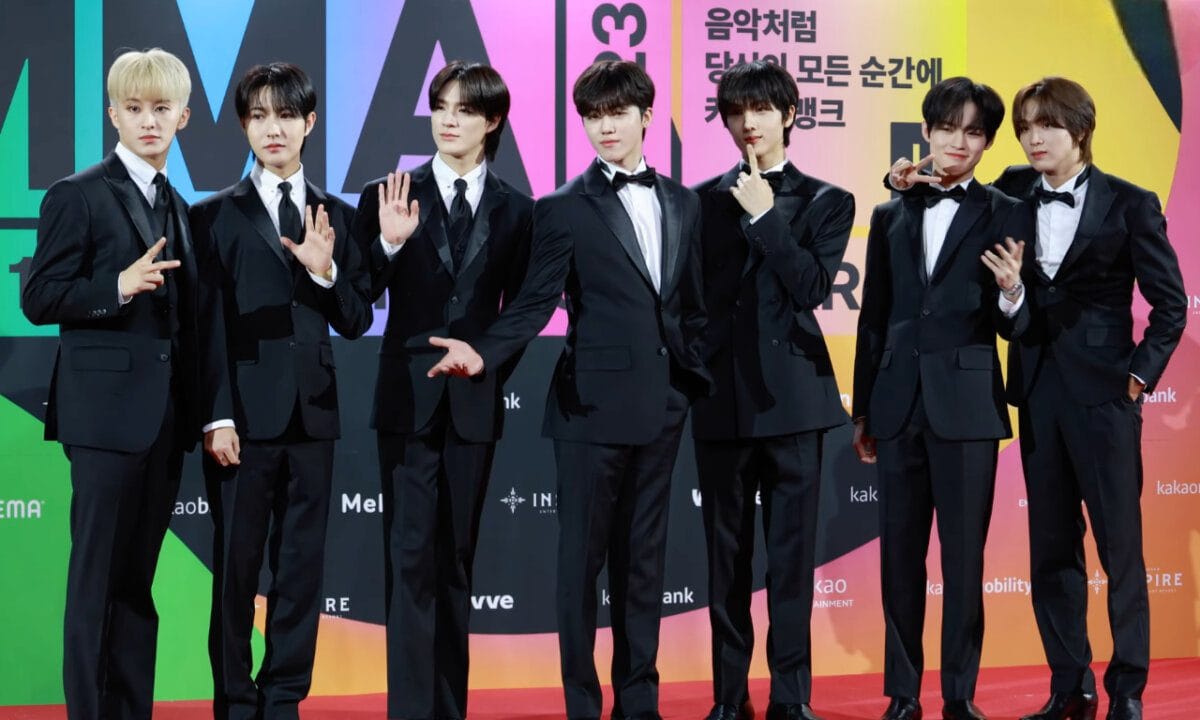
NCT Dream actually made it past year seven with the lineup intact, which was already unusual. Then, on April 3, 2026, SM confirmed that Mark Lee — the group’s original leader and a member since 2016 — was leaving NCT and the company entirely, effective April 8, described as a mutual decision after “deep discussions” about his future. No lawsuit, no scandal, just an ending. NCT Dream continued as a six-member group: Renjun, Jeno, Haechan, Jaemin, Chenle, and Jisung.
July–August 2026: they all re-signed anyway
This is the part that actually matters. Losing a founding member right as your contract clock was ticking down is exactly the scenario that has ended other groups for good — the remaining members often use it as their own exit cue too. Instead, Haechan quietly renewed first last month, and on August 20, SM confirmed Renjun, Jeno, Jaemin, Chenle, and Jisung had all followed, signing on “based on deep trust in each other and unwavering affection for the team.” NCT 127, the other major NCT subunit, renewed as a full group in the same announcement window. And the timing is almost poetic: NCT Dream’s 10th debut anniversary lands on August 24 — tomorrow, as of this post — with a livestream celebration already planned.

Why this matters beyond one group’s paperwork
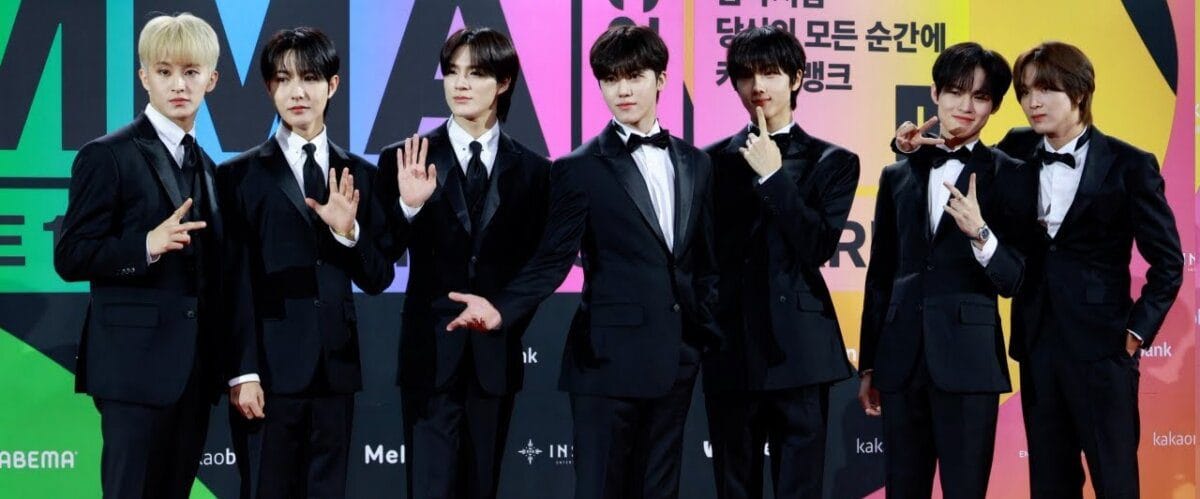
A contract renewal sounds like the most boring possible news item, but in K-pop it’s a referendum on whether the whole business model still works. NCT Dream just proved a group can survive losing a founding member without the rest scattering — and that six people who’ve spent a decade together can choose to stay past the point where an old contract legally required them to. Compare that to the TVXQ-to-EXO era, where every high-profile exit came wrapped in a lawsuit and ended in permanent fracture. This one didn’t. For an industry that’s spent 15 years bracing for the seven-year curse, a group calmly re-upping at year ten, mid-lineup-change, million-sellers intact, is basically the best PR the “this can be a stable career” argument has gotten in years.
you might also like



Sources
- All 6 NCT Dream members renew contract with SM Entertainment — The Korea Herald
- NCT Dream renews contract as full group with SM Entertainment — The Korea Times
- All NCT DREAM Members Renew Contracts With SM Entertainment — Soompi
- Mark Lee Announces Departure From K-Pop Groups NCT Dream and NCT 127 — Billboard
- NCT DREAM Becomes 2nd Artist In Hanteo History To Have 8 Albums Surpass 1 Million 1st-Week Sales — Soompi