Okay so I was deep into a FYP hole at 1am when I hit a video of a girl in Seoul cracking open what looked like a wax Christmas ornament with her bare hands, and the crackly crunch it made physically made me sit up in bed. I watched forty more. Then I learned it has a name, a K-pop fanbase, a bakery spinoff, and a government safety investigation — all within about ten weeks.
The wakppu ball trend is the story of how a $2 stress toy went from “cute nostalgic fidget thing” to “actual consumer safety controversy” faster than most of us finish a semester. Here’s the timeline, numbers included, because vibes alone don’t explain why a K-pop star’s mom just threw hers in the trash.
Week 0: what even is a wakppu ball
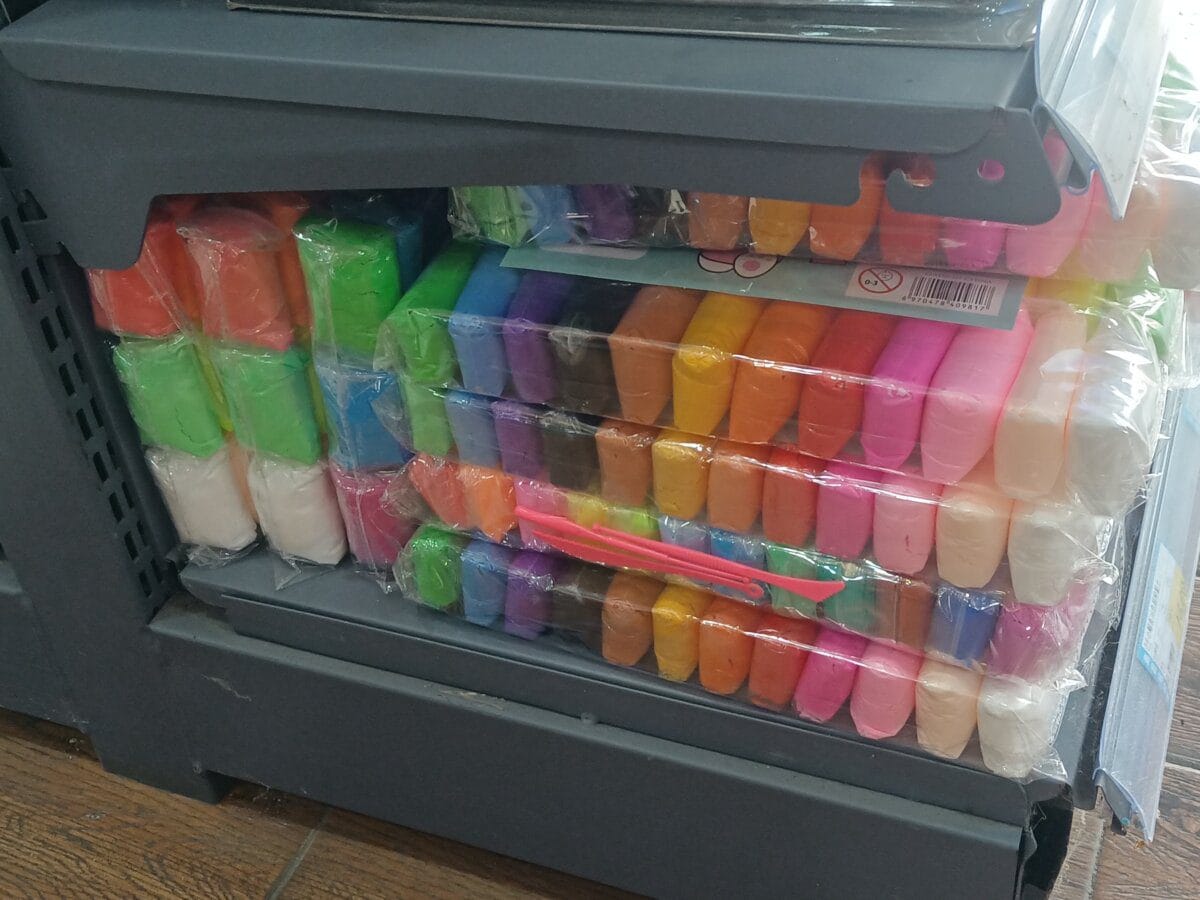
“Wakppu” mashes the Koreanized pronunciation of “wax” with ppuseugi, Korean for “smashing.” Soft clay gets rolled into a ball, dipped in melted candle wax, and chilled until the shell hardens — a homemade ornament with a secret. The whole point is destroying it: crush it, it cracks apart, the squishy filling bursts out. One and done, no reusing — which matters, since commercial ones run about 3,000 won (roughly $2) at stationery chains like Artbox and Daiso, cheaper than a fidget spinner ever was in 2017. Single-use means you don’t keep the one you have; you keep buying more.
Weeks 1-6: from niche ASMR to a full-blown craze
By late spring, wakppu jumped from DIY accounts to K-pop idols — members of ENHYPEN and Cravity were filmed playing with them on livestreams. Instagram hit over 10,000 posts under the hashtag, and crushing videos on TikTok routinely pulled hundreds of thousands of views, plenty crossing a million. Inha University professor Lee Eun-hee told Korea JoongAng Daily the appeal is regression in the best way: tactile toys let young people “recapture the sense of security they felt as children.” Relatable — I’ve bought a fidget toy during finals week. It didn’t stop at toys, either: “wakppu salt bread,” a $9 pastry styled to crack open like the toy, spiked on Naver’s search index from near-zero to a maximum score of 100 within three weeks. The growth curve brands would kill for — for a bread.

Late July: the first cracks (sorry)
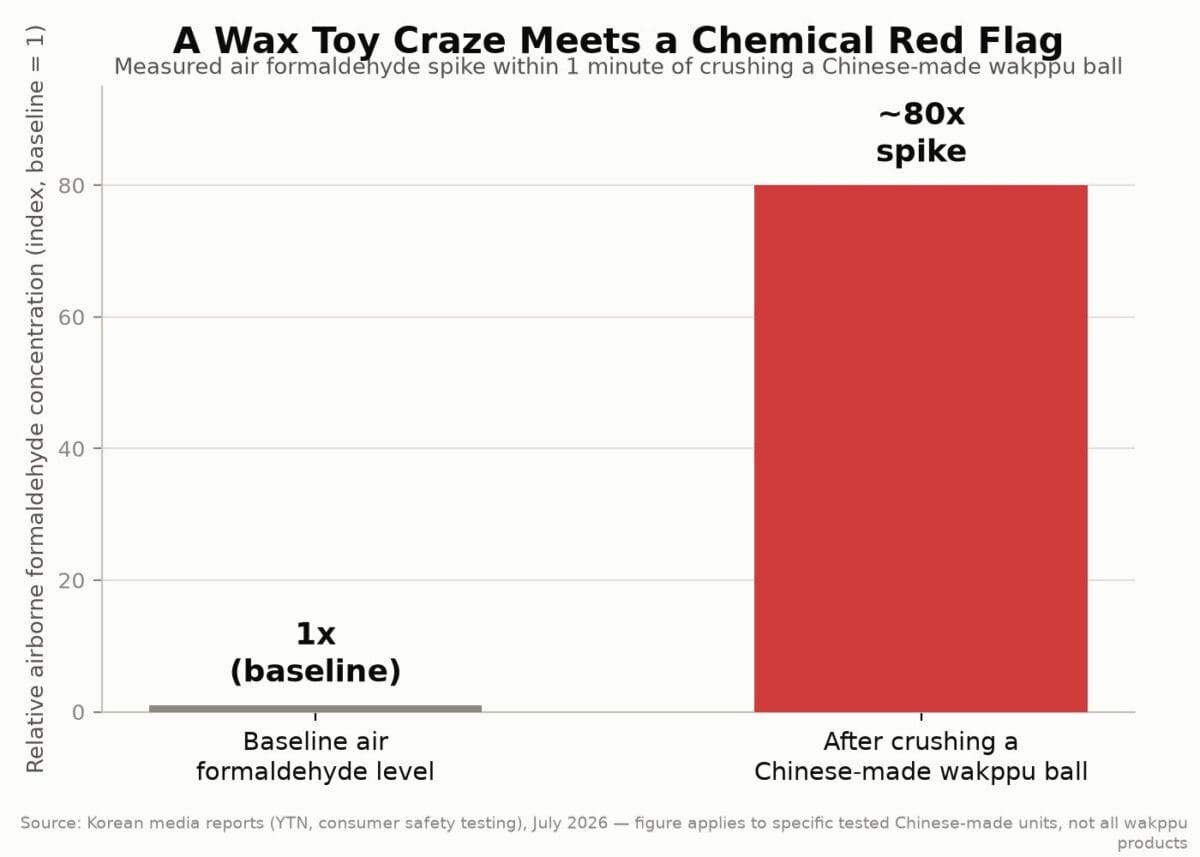
Here’s where it stops being cute. In late July, Korean outlet YTN reported some wakppu and their squishier cousin, “mallangi” toys, tested positive for benzene — a WHO Group 1 carcinogen, no safe exposure threshold by definition. Separate testing on a Chinese-made unit found airborne formaldehyde near the toy spiked roughly 80 times baseline within one minute of crushing it. Not 80% higher — 80 times higher. This isn’t every wakppu ball sold — it’s unregulated units, mostly cheap Chinese imports through the same pipelines (Shein, Temu) Korean regulators have already flagged this year. Toys with Korea’s KC child-safety mark are a different story; a lot of what’s circulating skipped that entirely.
August 9: a celebrity throws hers in the trash
This is where it became national news. Singer Baek Ji-young — a huge name in Korean R&B, not some random influencer — told press she’d bought wakppu balls for her 10-year-old daughter in Changsin-dong, Seoul’s DIY-toy district, then: “an article came out. It said the ones made in China contained harmful substances, so I threw them all away.” A-list celebrity, public disposal, national coverage in outlets like Sports Khan — that’s what turns a fad into a policy conversation. The Korea Consumer Agency has now opened a formal investigation into wakppu and mallangi toys.
So why should you, a person who does not live in Korea, care?
Two reasons. It’s a live case study in how fast trend cycles now outrun safety systems — first viral video to government probe in under three months. The Dubai chocolate craze of 2025 took roughly a year to go from novelty to global supply-chain story; wakppu did it in a quarter of the time. And it mirrors the Shein and Temu debates in the US and UK right now — cheap, direct-shipped goods outrunning certification systems built for a slower era. If you’re tempted to order one for the crack sound, check for a safety mark first, or just make the DIY version yourself.

A $2 toy that’s a mirror for cross-border e-commerce and internet trend-cycle speed, while also just being a really satisfying crunch sound — both things are true. I’d still crush one. I’d just buy the Daiso version, not the mystery import.
you might also like


Sources
- Korea JoongAng Daily — “In case of stress, break ball: Why Koreans are going crazy for one-and-done ‘wakppu'”
- The Korea Times — “Young Koreans find peace in palm of their hands”
- Sports Khan — “Baek Ji-young throws away all ‘Wakppu balls’ for her 10-year-old daughter”
- YTN — coverage of Group 1 carcinogen findings in mallangi/wakppu products